DNAOM Case Studies | Realistic DNA Testing Use Cases
Realistic DNA testing scenarios

See how different testing goals can lead to the right DNA test.

People choose DNA testing for very different reasons. Rather than presenting invented testimonials or unsupported success claims, DNAOM uses realistic example scenarios to show how customers in the United States may approach common health, dog, and cat DNA testing questions.

  • Goal-based examples
  • No invented customer claims
  • Clear links to relevant tests
DNA testing consultation and test kit overview for realistic DNAOM testing scenarios in the United States
Start with the question, not the product

A useful testing decision begins by defining what you want to understand, then comparing the tests designed for that purpose.

Example use cases

Common reasons people explore DNA testing

These scenarios are illustrative examples, not individual customer testimonials. Each one shows how a specific question can lead someone toward a more relevant DNA testing category.

Human health example

Understanding methylation-related genetic information

A person wants a report-led view of genetic variants associated with methylation-related pathways and starts by comparing what a dedicated methylation test is designed to report.

Explore DNA methylation testing
Dog owner example

Learning more about a dog's likely breed mix

An adopter has limited background information about a dog and wants genetic breed context that may help explain likely ancestry and breed composition.

Explore dog breed DNA testing
Cat testing example

Comparing general feline disease testing with PKD testing

A cat owner or breeder wants targeted genetic risk information and compares broader feline disease testing with a dedicated test for polycystic kidney disease.

Explore cat disease testing
Compare PKD cat testing
Why DNAOM uses scenarios

Useful examples are better than unsupported testimonials

DNA testing involves personal health questions, pet health decisions, ancestry questions, and other situations where trust matters. The purpose of this page is to explain realistic testing journeys without presenting fabricated customer names, ratings, review counts, or outcomes.

  • No invented customer stories. The examples describe common testing goals rather than pretending they are documented individual case histories.
  • No guaranteed outcomes. DNA tests provide information within the scope of the selected report; they do not guarantee a diagnosis, treatment outcome, or specific discovery.
  • The testing goal comes first. Each scenario begins with what the person wants to understand before directing them toward a relevant testing category.
  • Limitations still matter. Customers should review what a test includes, what it does not include, and how the result should be interpreted.
Important: Human genetic test information should not be treated as a substitute for individualized medical diagnosis or treatment from a qualified healthcare professional.
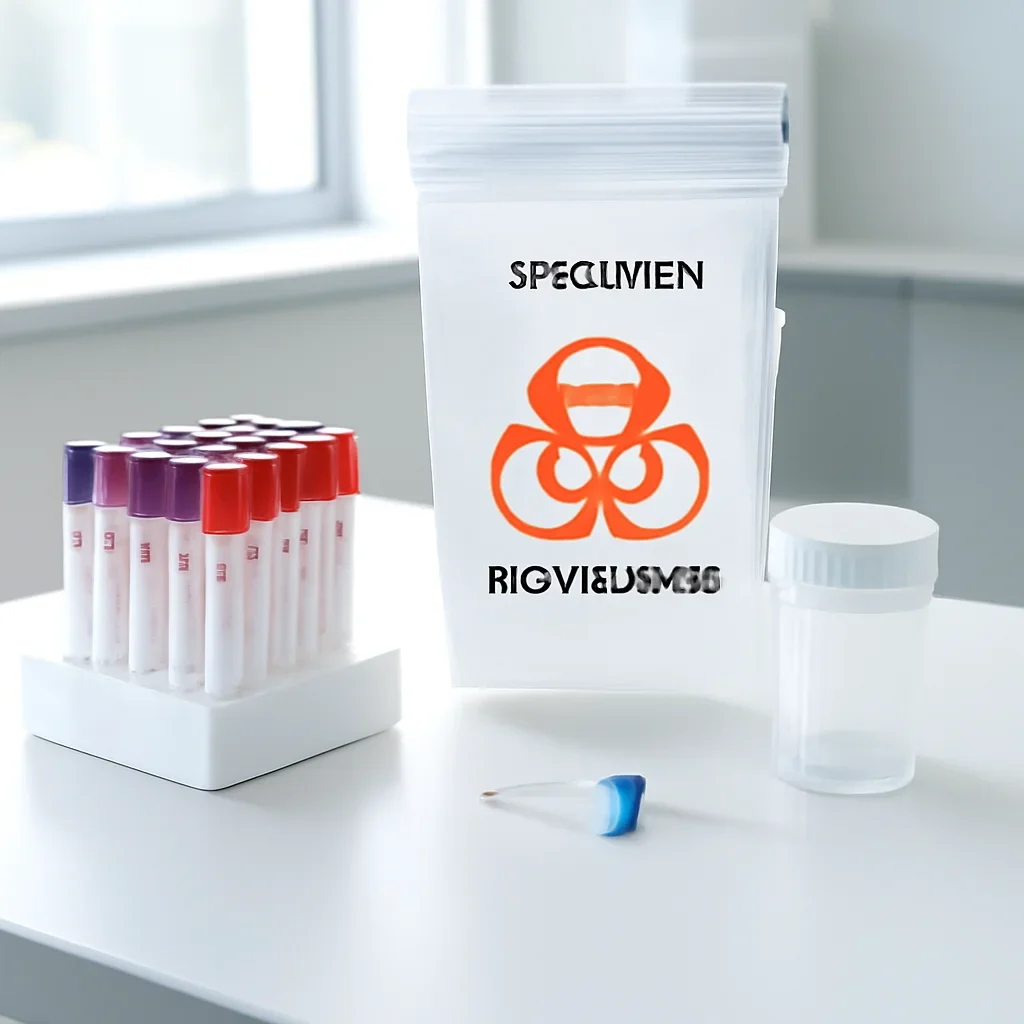
DNA sample collection setup illustrating realistic DNA testing use cases
A better way to choose

Match the DNA test to what you actually want to learn

DNA testing becomes easier to compare when you start with a clear question and work backward toward the type of report that best matches that goal.

1

Define what you want to understand

Start with the question: human genetic information, methylation, dog breed ancestry, pet disease risk, or another specific goal.

2

Review what the test actually reports

Look at the intended reporting scope rather than choosing a test simply because it has the broadest-sounding name.

3

Understand the sample and workflow

Review how the sample is collected, how it is returned, and how the laboratory process fits into the overall testing experience.

4

Read results in the right context

A DNA report is most useful when you understand the scope and limitations of the test. Learn how to read DNA results.

More testing goals

Different questions call for different DNA tests

DNAOM covers multiple human and pet DNA testing categories. The most useful option depends on the type of information you are actually trying to understand.

Human genetics

Genetic health testing

Someone researching inherited genetic information may start with the scope and limitations of a health-focused genetic report.

Explore genetic health testing
Dog genetics

Dog disease testing

A dog owner may want targeted information about genetic variants associated with specific inherited canine conditions.

Explore dog disease testing
Cat genetics

Cat disease testing

Cat owners and breeders may compare tests designed to identify genetic variants linked with selected inherited feline conditions.

Explore cat disease testing
Identity profile

Dog DNA profiling

Some owners need a DNA profile designed around genetic identification rather than breed estimation or disease screening.

Explore dog DNA profiling
Start with your goal

Choose a DNA test based on what you want to understand

Explore DNAOM's human and pet DNA testing options, compare the intended purpose of each test, and choose the report that most closely matches your question.