Dog or cat testing
DNAOM separates canine and feline testing rather than placing every animal test into one broad catalog. Start with the species before narrowing the purpose of testing.

Pet DNA testing can help owners, adopters, breeders, and rescue organizations explore breed ancestry or selected inherited genetic conditions. DNAOM helps customers across the United States move directly toward relevant dog and cat DNA testing options without sorting through unrelated animal testing categories.
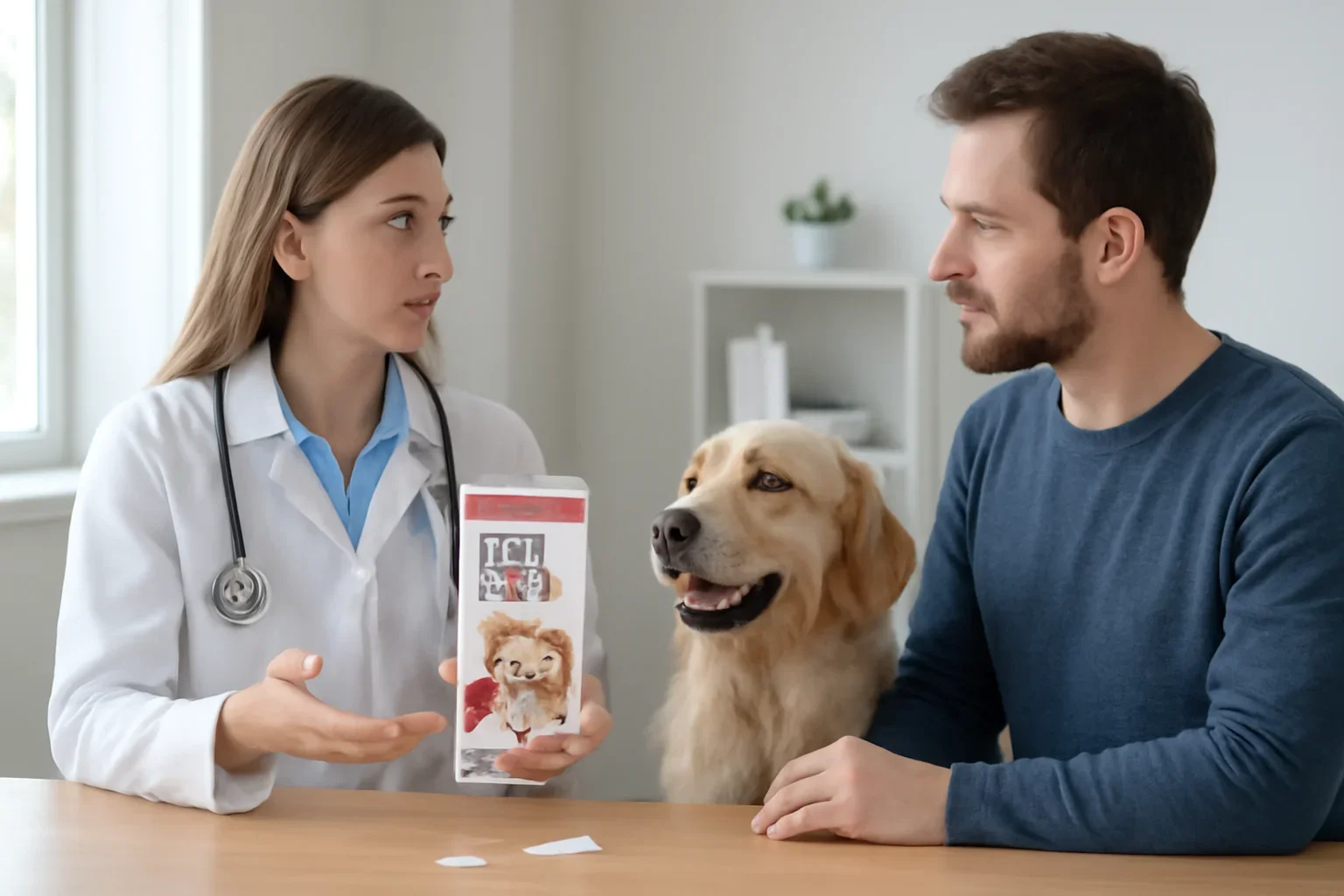
A useful pet DNA test starts with the reason for testing. DNAOM keeps canine and feline testing paths separate so you can identify the category that actually matches your goal.
DNAOM separates canine and feline testing rather than placing every animal test into one broad catalog. Start with the species before narrowing the purpose of testing.
Breed identification and inherited disease screening answer different questions. Decide whether ancestry or a targeted genetic concern is your main priority.
Review what the selected pet DNA test is intended to report before ordering so you know whether the result matches what you want to learn.
Start with dog or cat testing, then narrow the decision based on the information you want the DNA analysis to provide.
Canine DNA testing can support different goals, including breed identification, selected inherited disease screening, and DNA profile-related needs.
Explore dog DNA testingFeline DNA testing can help investigate selected inherited genetic conditions where an appropriate targeted test is available.
Explore cat DNA testing
Pet DNA testing is more useful when the purpose is clear before collection begins. A breed test should not be expected to provide the same information as a targeted inherited disease test.
Exact procedures vary by product, but most pet DNA testing workflows follow the same broad sequence.
Identify whether the goal is breed ancestry, inherited disease, DNA profiling, or another supported pet genetics question.
Follow the product-specific instructions to collect the required sample from your dog or cat.
The laboratory examines the genetic markers relevant to the selected pet DNA test.
Interpret the findings within the test's stated scope and use additional guidance when more context is needed.
The value of testing depends on what you are trying to learn and how the results will be used afterward.
Owners may use DNA testing to learn more about breed background, selected inherited conditions, or another supported genetic question.
When a dog's history is incomplete, breed identification can provide additional ancestry context that may help document background for owners or adopters.
Targeted inherited disease testing may provide genetic information relevant to breeding decisions when the selected test is appropriate for the breed and condition being considered.
DNA testing can add useful genetic context, but the findings should always be interpreted within the purpose and limitations of the specific test.
Understanding likely breed ancestry, identifying selected genetic variants tested by a targeted disease panel, or creating a DNA profile where that is the stated purpose of the test.
Veterinary examination, professional diagnosis, behavioral assessment, or clinical care. A genetic result should be understood as one source of information within its intended testing scope.
Sample quality, laboratory methodology, the genetic markers being examined, and report scope all affect the testing experience.
Use these resources to understand the testing process, compare pet DNA options, and set clearer expectations before ordering.
Learn how canine samples are collected, analyzed, and turned into breed, inherited disease, or other supported DNA findings.
Read the dog DNA testing guideUnderstand how feline genetic testing works and why different cat DNA tests focus on different inherited conditions.
Read the cat DNA testing guideLearn what to compare across dog and cat DNA testing options before choosing the one that best matches your goal.
Compare pet DNA testing optionsExplore dog and cat DNA testing options through DNAOM or contact us if you need help identifying whether breed identification, inherited disease testing, or another supported pet DNA test is the right place to begin.
