Sample received
The returned sample enters the laboratory workflow for the test that was ordered.

DNA testing examines genetic information from a collected biological sample to answer a specific question. Depending on the test, that may involve health-related genetic markers, inherited traits, dog breed identification, or pet genetic screening.
With DNAOM, the process is designed to be understandable from the start: choose the test that matches your goal, collect the sample according to the kit instructions, return it for laboratory processing, and review the report when analysis is complete.
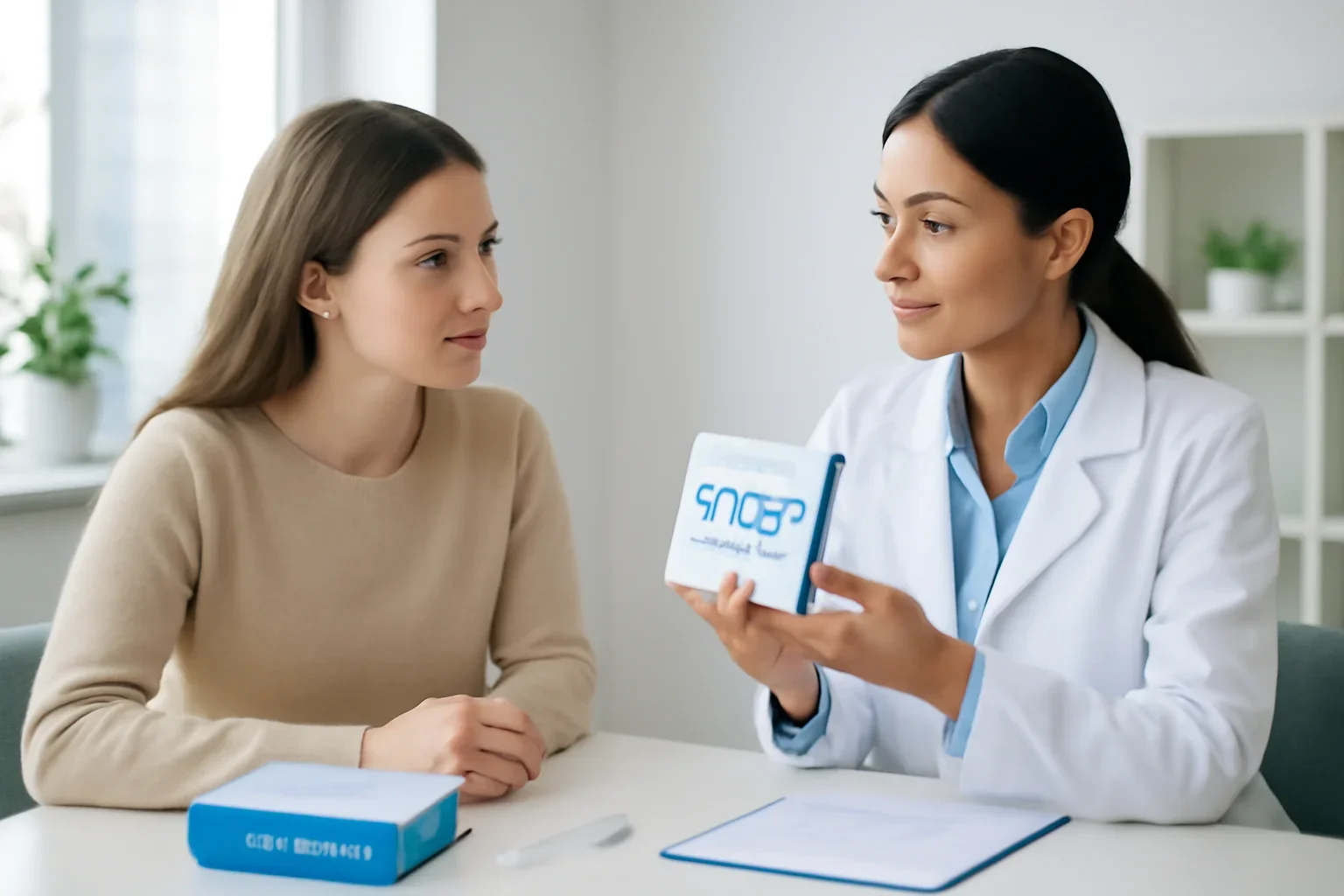
Start with the question you want the DNA analysis to address.
Follow the instructions supplied with your specific test kit.
Processing begins after your usable sample reaches the laboratory.
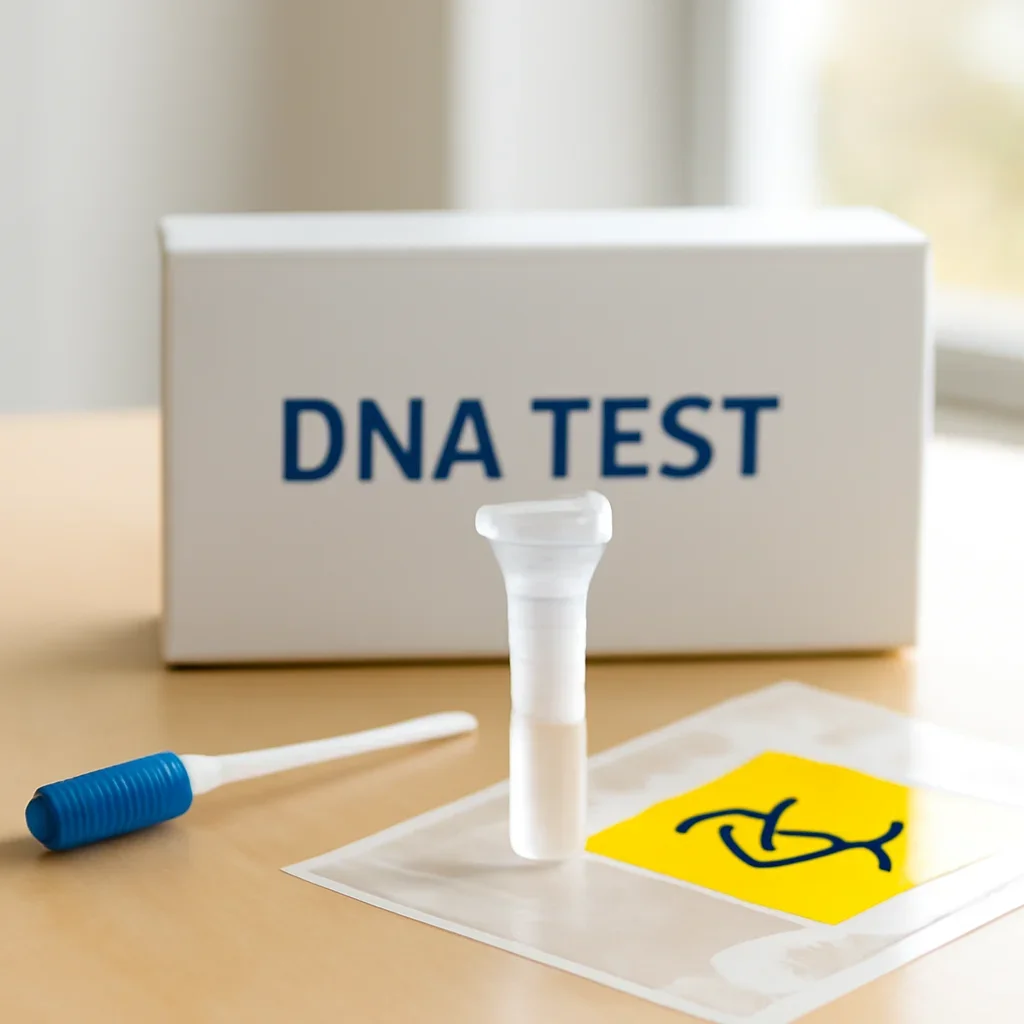
The exact analysis varies by test, but most at-home DNA testing follows the same basic path. Understanding these stages before ordering makes it easier to select the appropriate test and follow the collection instructions correctly.
Different DNA tests answer different questions. A genetic health test, for example, is designed for a different purpose than a dog DNA test. Start with the information you actually want to learn.
Many at-home tests use a mouth or cheek swab, although collection methods can vary by product. Follow the instructions supplied with your kit carefully because a usable sample is necessary for successful processing.
Package and return the collected sample according to the directions provided with your test. Laboratory turnaround generally begins after the sample has been received rather than on the day you collect it.
After the required analysis is completed, your results are provided according to the reporting process for the test you ordered. The report should be interpreted within the scope and limitations of that specific analysis.
The laboratory stage is where the submitted sample is processed and the genetic information relevant to the ordered test is analysed. The exact laboratory method depends on the test itself.
This is also why turnaround estimates should normally be understood from laboratory receipt rather than from the date the kit was ordered.
The returned sample enters the laboratory workflow for the test that was ordered.
The laboratory processes the usable biological material according to the requirements of the selected analysis.
Relevant genetic markers or DNA information are examined according to the scope of the ordered test.
The findings are organized into the report format associated with your test and made available through its designated results process.
A useful DNA test starts with realistic expectations. Results should be interpreted according to what the specific test actually analyses rather than treated as an answer to every health, ancestry, or pet-related question.
Once you understand how DNA testing works, the next step is matching the test to your goal. Explore the relevant DNAOM testing category below.
Start with our test-selection guide or contact DNAOM with the question you want your results to help answer. We can direct you toward the most relevant testing category without making the process more complicated than it needs to be.