Who it may suit
Dog owners and breeders looking for focused genetic information about supported inherited conditions rather than breed ancestry alone.

A dog disease DNA test can help owners and breeders investigate selected inherited genetic conditions relevant to a dog's breed or testing panel. DNAOM keeps the process focused on what is actually being tested, straightforward cheek-swab collection, realistic turnaround expectations, and clear interpretation of results such as clear, carrier, or affected where those classifications apply.
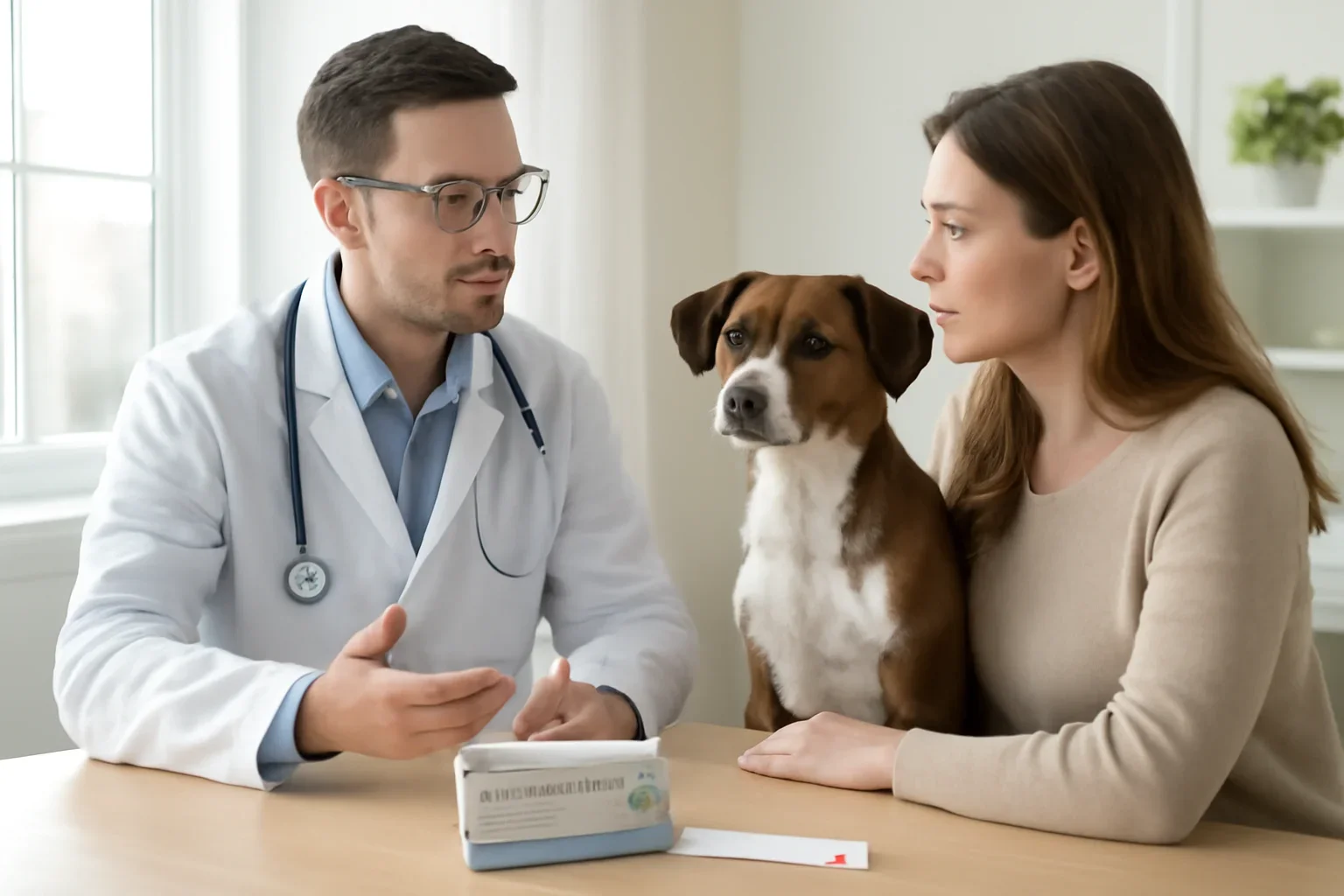
Dog genetic disease screening is most useful when the test matches the breed, hereditary condition, or panel you actually need to investigate.
Dog owners and breeders looking for focused genetic information about supported inherited conditions rather than breed ancestry alone.
The available product information describes collection using a simple cheek swab, allowing the DNA sample to be obtained without an invasive procedure.
Results are generally described as taking about 10 working days from laboratory receipt, depending on the selected panel and successful sample processing.
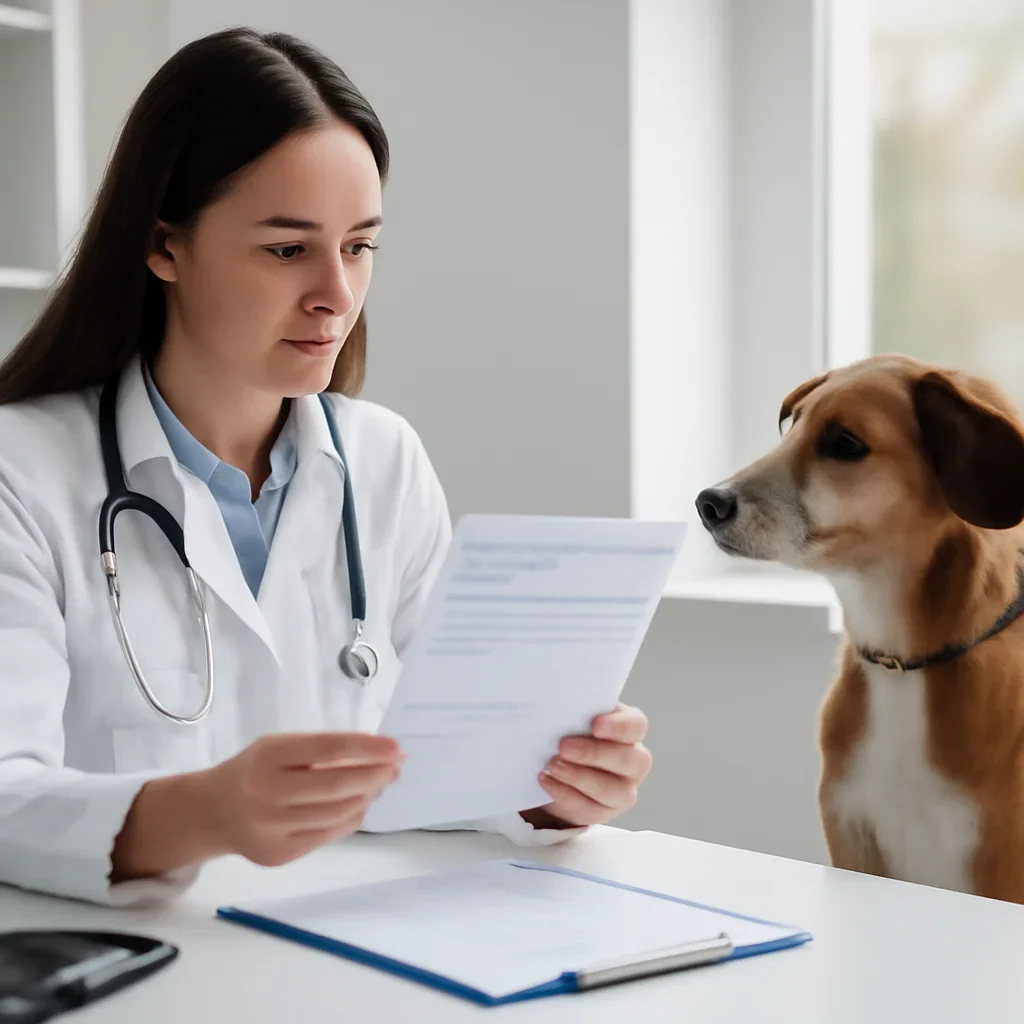
Canine disease DNA testing examines specific genetic variants included in the selected test or panel. These variants may be associated with hereditary conditions that are relevant to certain breeds or breed groups.
The result is most useful when you already know which condition or breed-related panel you want to investigate.
Some inherited disease tests use these classifications to describe the dog's genetic status for the specific variant being tested. The exact meaning depends on the inheritance pattern and condition.
In a test using this classification, “clear” generally indicates that the relevant disease-associated variant tested by that assay was not identified. It does not mean the dog is free from every possible health condition.
For applicable recessive conditions, a carrier result can indicate that the dog has one copy of the tested variant. The significance for health and breeding depends on the specific condition and inheritance pattern.
Where this classification applies, an affected result may indicate a genetic status associated with the tested hereditary condition. The result should be reviewed in the context of the condition and, where appropriate, discussed with a veterinarian.
Clear, carrier, and affected terminology is not interpreted identically for every canine genetic condition. Always use the explanation supplied for the specific test and hereditary disease.
The exact laboratory methodology varies by panel, but the overall process follows a straightforward path.
Identify the hereditary condition or breed-specific panel that is relevant to the genetic question you want to investigate.
Follow the supplied instructions to collect the required DNA sample while minimizing contamination or collection errors.
The laboratory examines the genetic variant or variants included in the selected canine disease test.
Review the genetic status within the scope of the specific hereditary condition and its inheritance pattern.
Different breeds can have different known hereditary concerns, and a disease test only evaluates the variants included in that particular panel or assay.
A broad “dog DNA test” label does not mean every hereditary condition is screened. Before ordering, review which disease variants are actually included and whether they are relevant to your dog.
Genetic screening is specific to the variants included in the selected test. A clear result for one inherited condition does not automatically rule out unrelated genetic or non-genetic health problems.
This is why test selection should begin with the condition, breed, or breeding question you want to investigate.
Genetic information can be useful for both individual dog owners and breeding programs when the selected test matches a relevant condition.
Owners may use targeted DNA testing to learn whether their dog carries a supported genetic variant associated with a particular inherited condition.
Breeders may use genetic status information as one part of a more informed breeding strategy when the condition and inheritance pattern are relevant to their dogs.
If a breed has a known hereditary risk, a targeted DNA test may provide more useful information than a general breed identification test.
Genetic testing provides information about the variants included in the test. It should be interpreted as one part of a dog's broader health picture.
Identifying the tested genetic status for supported hereditary conditions, informing breeding conversations, and providing useful genetic context for discussions with veterinary professionals.
Veterinary examination, clinical diagnosis, routine screening, or treatment. A genetic result cannot rule in or rule out every health issue a dog may experience.
The available product information describes typical turnaround as approximately 10 working days from laboratory receipt, depending on the selected panel.
This processing period is separate from order delivery, sample collection, and return shipping. Actual timing also depends on successful sample receipt and laboratory processing.
This timing is based on the supplied product information and may vary by selected panel, successful sample receipt, and laboratory processing requirements.
Dog DNA tests can look similar because they may use the same type of cheek-swab collection, but the laboratory analysis and intended results can be very different.
Review DNAOM's supporting guides to better understand canine DNA testing, accuracy, turnaround, and how to choose the testing category that matches your question.
Explore DNAOM's dog inherited disease testing options or contact us if you need help deciding whether disease screening, breed identification, or another canine DNA test is the right place to begin.
