What it tests
The test checks for the PKD1 mutation associated with feline polycystic kidney disease.

A PKD cat test is a focused genetic test designed to check for the PKD1 mutation associated with feline polycystic kidney disease. DNAOM keeps the testing pathway straightforward, with simple DNA sample collection, clear expectations about what is being tested, and practical information for cat owners and breeders.
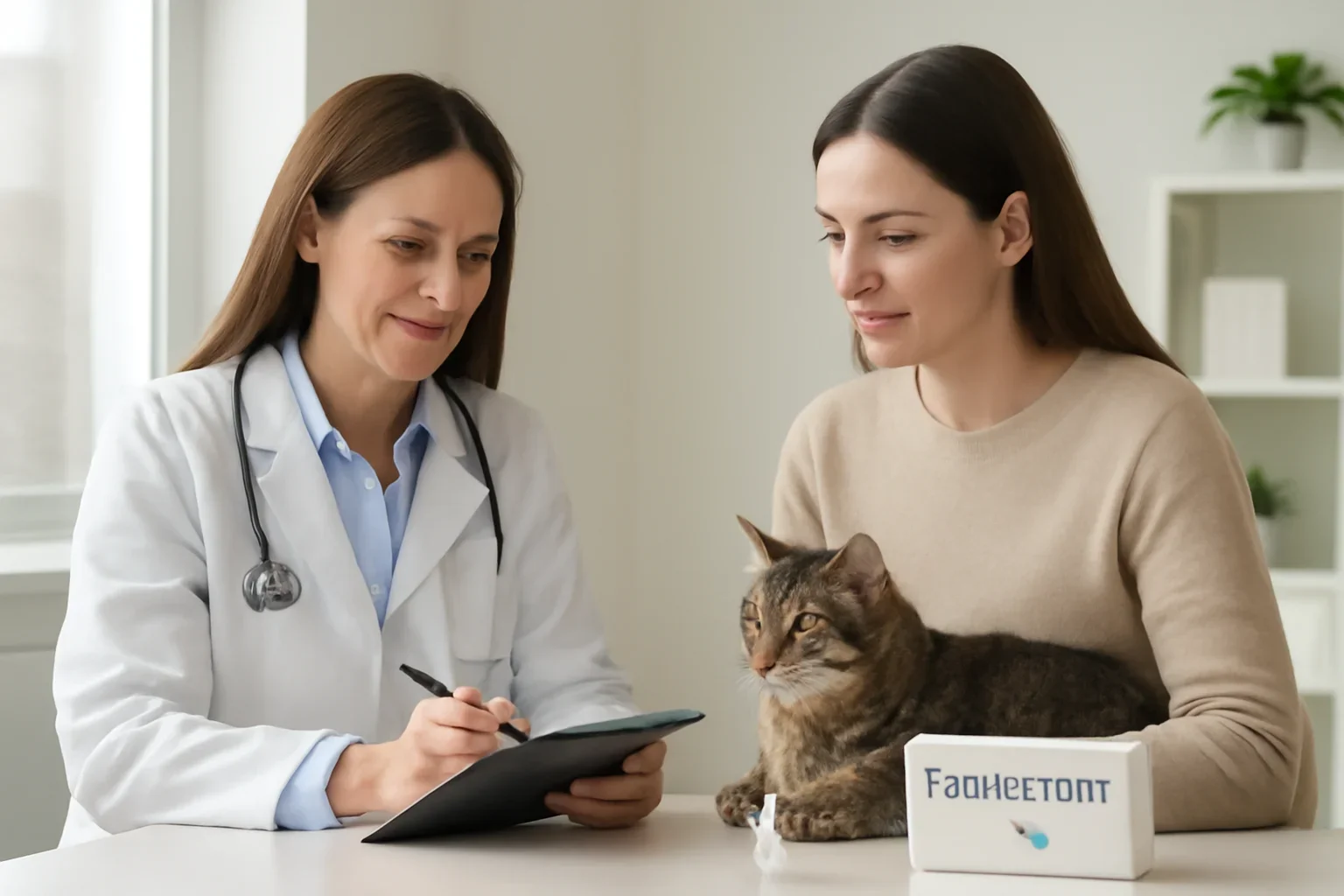
This is a targeted feline genetic test. Its purpose is different from a broader cat disease panel because the testing question is focused specifically on PKD1-associated polycystic kidney disease.
The test checks for the PKD1 mutation associated with feline polycystic kidney disease.
Cat owners and breeders may consider PKD testing when hereditary PKD risk is relevant to the cat's breed, family history, or breeding decisions.
The supplied product information describes results as typically available about 10 working days after the sample reaches the laboratory.
Polycystic kidney disease, commonly shortened to PKD, is an inherited condition associated with the development of fluid-filled cysts in the kidneys.
The PKD cat DNA test described in the supplied material focuses on the PKD1 mutation associated with feline polycystic kidney disease. This makes it a targeted genetic test rather than a general assessment of every possible feline kidney or health condition.
A targeted test makes sense when PKD is the specific hereditary concern you want to investigate. It avoids confusing a focused PKD1 test with broader feline disease screening.
This distinction is especially useful for owners or breeders who already know that feline PKD is relevant to the cat they are testing.
A PKD test focuses on the PKD1 mutation described in the available product material.
A broader cat disease DNA test may be more appropriate when you want information about multiple inherited feline conditions rather than one targeted PKD concern.
Choosing between them should begin with the question you want the DNA test to answer.
The result provides information about the PKD1 mutation being tested. It should be interpreted within the scope of that specific genetic test.
A result showing that the tested PKD1 mutation was not detected provides information about that specific genetic variant. It should not be interpreted as proof that a cat can never develop kidney disease from another cause.
Detection of the tested PKD1 mutation provides important hereditary information that may be relevant to health monitoring or breeding decisions. Appropriate veterinary guidance can help put the result into the cat's broader health context.
A DNA test provides genetic information. It does not replace a veterinary examination, diagnostic imaging, clinical assessment, or other testing a veterinarian may recommend for an individual cat.
The supplied material describes simple DNA sample collection for feline testing. Always follow the collection instructions included with the selected test.
Confirm that targeted PKD1 testing matches the hereditary question you want to investigate.
Follow the supplied feline sample-collection instructions carefully to obtain the required DNA sample.
After the sample reaches the laboratory, it is processed for the targeted PKD1 genetic test.
Review whether the tested mutation was detected and consider the result within the appropriate health or breeding context.
The usefulness of testing depends on why PKD is relevant to the cat and what you plan to do with the genetic information.
Owners may use PKD testing when they want more information about a known hereditary concern relevant to their cat.
Breeders may use genetic information as one part of responsible breeding decisions when PKD is relevant to their cats or breeding lines.
The test can be particularly relevant when a cat belongs to a breed or lineage where inherited PKD is a recognized concern.
Based on the supplied product information, results are typically available in about 10 working days from laboratory receipt.
The laboratory processing period begins after the sample arrives. Delivery of the kit, collection time, and return shipping therefore need to be considered separately.
This is the typical turnaround stated in the supplied material. Actual processing time can depend on successful sample receipt and laboratory processing.
The right test depends on the question you want answered. If PKD is your specific concern, targeted PKD1 testing offers a direct pathway.
Use DNAOM's supporting resources to learn more about DNA testing, sample collection, accuracy, turnaround, and choosing between testing categories.
Explore DNAOM's approved feline testing options or contact us if you need help deciding between targeted PKD1 testing and broader cat inherited disease screening.
