Broader feline disease screening
Choose a broader cat disease DNA test when your main goal is to review supported inherited genetic conditions within a wider feline testing panel.

Cat DNA testing can help owners and breeders investigate selected inherited genetic conditions when an appropriate feline DNA test is available. DNAOM helps customers across the United States compare broader feline disease testing with more targeted options such as PKD testing, while keeping collection, turnaround, and report scope easier to understand.
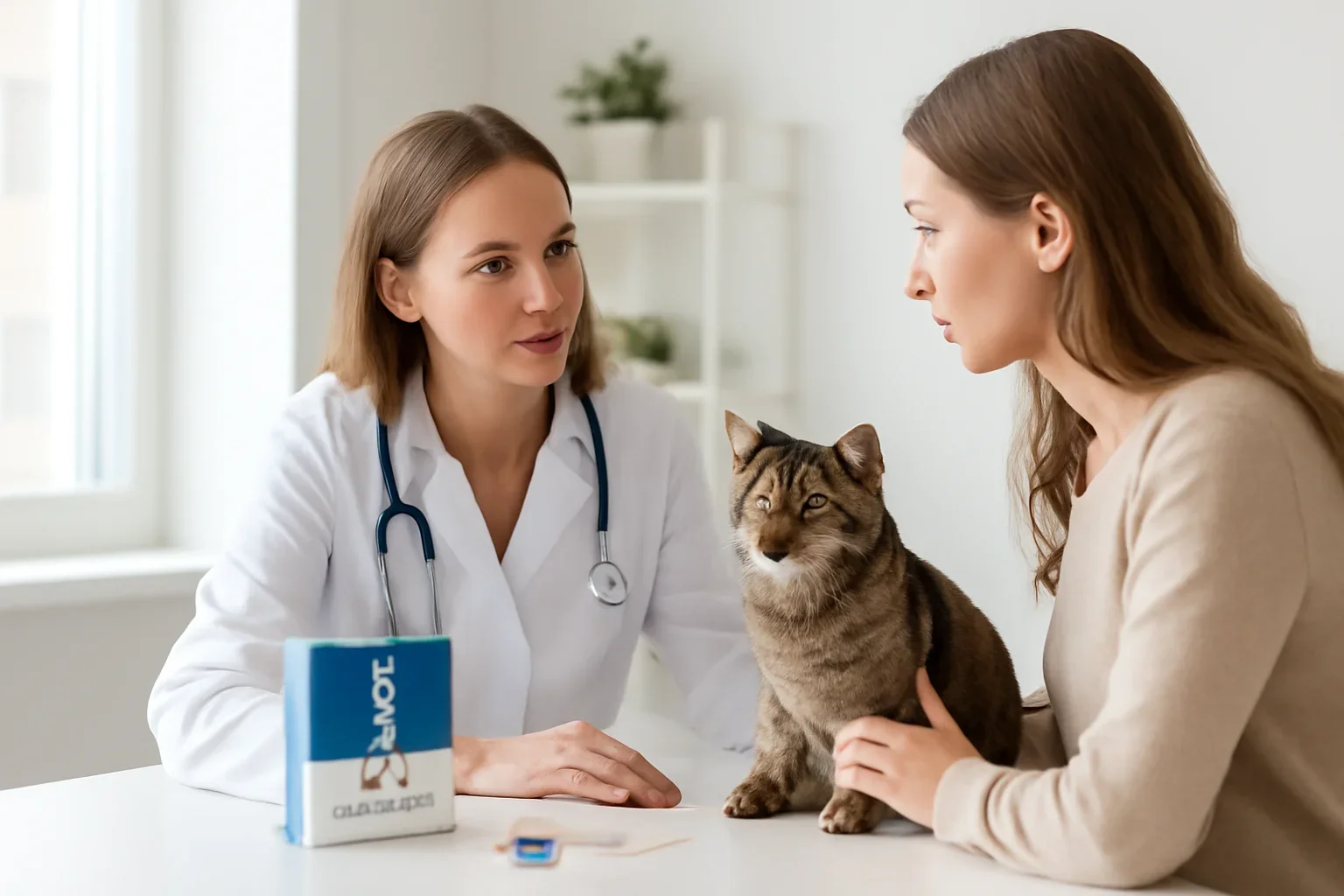
Feline DNA tests are most useful when the purpose is clear before ordering. DNAOM keeps the available options focused so you can compare broader inherited disease screening with condition-specific testing.
Choose a broader cat disease DNA test when your main goal is to review supported inherited genetic conditions within a wider feline testing panel.
Choose the PKD cat test when the main question is specifically related to a supported PKD-associated genetic variant rather than broader screening.
A DNA test only reports on what it is designed to analyze. Review the selected test's purpose and included genetic targets before treating the result as a broad assessment of feline health.
DNAOM keeps cat DNA testing organized around clearly defined testing purposes rather than presenting multiple unrelated animal tests in one catalog.
A broader feline disease testing option can be appropriate when you want to investigate multiple supported inherited genetic conditions rather than one specific variant.
A targeted PKD test is more appropriate when the testing question specifically concerns the relevant inherited genetic risk rather than broader feline screening.

Feline DNA testing begins with obtaining a suitable sample for the selected laboratory analysis. The collection method and preparation requirements can vary, so instructions from one test should not be assumed to apply to another.
Specific laboratory methods vary, but the overall feline DNA testing process generally follows these stages.
Decide whether you need broader inherited disease screening or targeted testing for a specific feline genetic concern.
Follow the product-specific directions for collecting and preparing your cat's required DNA sample.
The laboratory examines the genetic markers included in the selected feline DNA testing workflow.
Review the findings within the stated scope of the test and discuss health-related concerns with an appropriate veterinary professional.
The value of a cat DNA test depends on why it is being used and whether the selected test matches that specific question.
Owners may use feline genetic testing when they want additional information about a supported inherited condition or are investigating a specific genetic concern.
Breeders may use targeted genetic testing as one source of information when considering inherited conditions relevant to their breeding program.
When the question is focused on a known inherited condition such as PKD, a targeted DNA test may be more relevant than a broader panel.
Genetic testing can provide useful information about the variants included in a test, but it should not be treated as a complete picture of your cat's current or future health.
Detecting or evaluating supported genetic variants included in the selected test, adding hereditary context, and providing information that may support further discussions about breeding or veterinary care.
A veterinary examination, clinical diagnosis, ongoing health screening, or professional treatment. A result should be interpreted according to the exact condition and variant tested.
A genetic result may indicate information about a tested variant, but the presence or absence of that variant should not automatically be treated as a complete diagnosis or guarantee of future health.
Laboratory methodology, sample quality, the genetic markers being tested, and the scope of the selected report all affect what a cat DNA test can provide.
Use these resources to understand the testing process, compare available cat DNA options, and set clearer expectations before ordering.
Learn how samples are collected, what laboratories analyze, and why different feline DNA tests focus on different genetic questions.
Read the cat DNA testing guideExplore broader feline inherited disease testing when you want to review more than one supported genetic condition.
Explore cat disease testingLearn more about targeted PKD-focused DNA testing when this specific inherited condition is the main reason for testing.
Explore PKD DNA testingExplore DNAOM's feline disease and targeted PKD testing options or contact us if you need help deciding which cat DNA test is the most relevant place to begin.
