01
Who it may suit
Dog owners or breeders who want a structured genetic record tied to an individual dog rather than a general ancestry-style report.

DNAOM's dog DNA profile is designed for owners and breeders across the United States who need record-focused canine genetic identification rather than a simple breed estimate. The profile keeps the testing purpose clear: collect the required canine DNA sample, complete the selected analysis, and receive structured genetic reporting tied to the dog being tested.
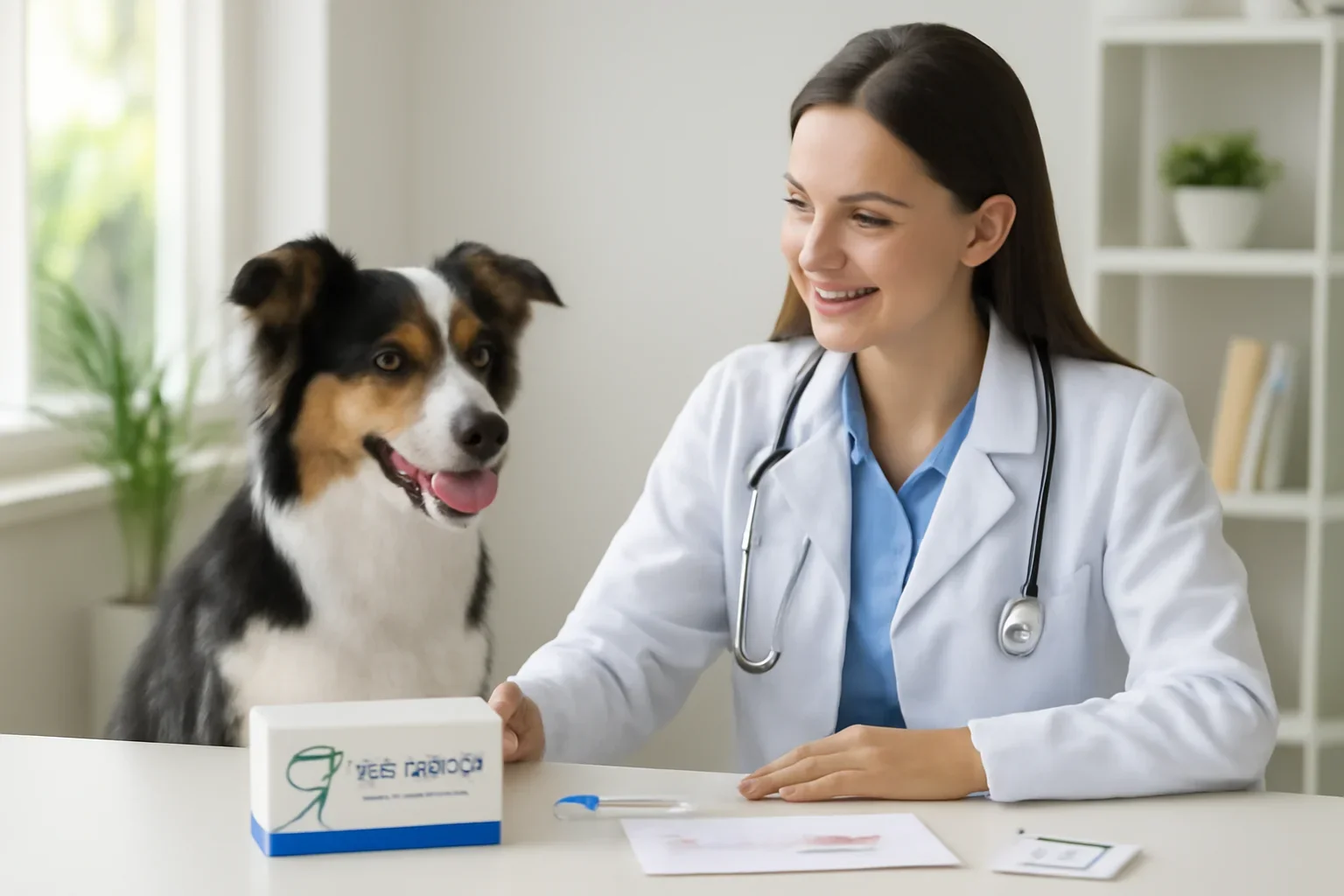
A DNA profile is intended for genetic identification and records. If you want ancestry or inherited disease information, choose the canine test built for that purpose.
A dog DNA profile has a different purpose from breed identification or disease screening. It is better suited to structured genetic identification, lineage, and record-oriented testing conversations.
Dog owners or breeders who want a structured genetic record tied to an individual dog rather than a general ancestry-style report.
Sample collection is completed according to the instructions supplied with the selected canine testing kit. Follow the exact workflow associated with the ordered profile.
The source material does not provide one universal turnaround time for every dog DNA profile workflow. Timing depends on the selected analysis, laboratory receipt, and successful processing.

The key difference is purpose. A canine DNA profile is designed around a structured genetic record associated with the dog being tested. That makes it a different testing path from breed ancestry reports or inherited disease panels.
The exact laboratory workflow depends on the selected canine analysis, but the customer journey follows a clear sequence from test selection through report delivery.
Choose this testing path when genetic identification or a structured canine record is the main reason for testing.
Follow the collection directions supplied with the selected dog DNA profile test before obtaining the sample.
Send the sample according to the supplied return instructions so it can enter the appropriate laboratory workflow.
Use the report according to the intended purpose of the profile and avoid treating it as a breed or disease report unless those analyses are specifically included.
DNA profiling is most useful when the goal is structured genetic identification rather than an ancestry estimate or a health-screening panel.
A profile can provide a structured DNA-based record associated with the individual dog tested.
Breeders may consider genetic profiling when identification, lineage, or organized genetic records are relevant to their goals.
Owners who need something more record-focused than a breed summary can use profiling as a separate canine testing path.
If your actual goal is breed ancestry or inherited health screening, choose the test designed specifically for that question.
Compare dog DNA testsThese tests answer different questions. Choosing by testing goal helps avoid paying for a report that does not match what you actually need.
Best suited to structured genetic identification, lineage, and record-focused use cases tied to the individual dog.
Explore dog DNA profilingDesigned for owners who want likely breed ancestry and breed composition information rather than a record-focused profile.
Explore dog breed testingDesigned to screen selected inherited genetic variants associated with canine conditions rather than identify ancestry.
Explore dog disease testingThe best canine test is the one that matches your actual purpose. Review the reporting goal, collection workflow, timing, and scope before ordering.
Confirm that genetic identification or record-focused profiling is what you need, rather than breed or health analysis.
Follow the specific canine sample-collection instructions supplied with the profile you order.
Timing varies by the selected canine analysis and begins according to the applicable laboratory receipt and processing workflow.
Do not assume a DNA profile automatically includes breed ancestry or inherited disease results unless they are part of the ordered test.
Use these guides to understand DNA profiling, canine testing, breed identification, disease screening, accuracy, and result turnaround.
Understand what canine DNA profiling is designed for and how it differs from breed and health testing.
Testing process How dog DNA tests workLearn how canine DNA sample collection, laboratory analysis, and report delivery generally work.
Breed testing Dog breed DNA testCompare profiling with ancestry-focused testing designed to identify likely breed composition.
Health screening Dog disease DNA testingReview inherited-condition screening if canine health genetics are more relevant to your goal than identification.
Accuracy Are DNA tests accurate?Learn why test type, sample quality, laboratory processing, and report scope all matter when evaluating DNA results.
Turnaround How long do DNA test results take?Understand how laboratory receipt, test type, and successful processing can affect result timing.
Compare the purpose of canine profiling with breed and disease testing, review the sample requirements, and make sure the resulting genetic record matches what you actually need before ordering.

A dog DNA profile is a record-focused canine genetic analysis intended for identification or related genetic-record purposes. It is different from a breed ancestry report or inherited disease screen.
Learn about dog DNA profilesNot necessarily. Breed ancestry is a separate testing purpose. If identifying likely breed composition is your goal, review the dedicated dog breed DNA test instead.
Explore dog breed DNA testingThe available source material does not give one universal turnaround time for every canine profile analysis. Timing varies according to the selected test, laboratory receipt, and successful processing.
Learn about DNA test turnaround