Timing varies by test
Some supported tests may have relatively short processing windows, while more complex DNA analyses can require several weeks. Review the specific product information rather than assuming one timeline applies to every test.

DNA test turnaround is not the same for every product. Some testing workflows can be completed relatively quickly, while others require more extensive laboratory analysis. DNAOM helps customers across the United States understand when processing begins, what can affect timing, and why each DNA test should be evaluated on its own expected turnaround.

Speed matters, but an accurate expectation is more useful than a generic promise. DNAOM approaches turnaround by looking at the selected testing category, laboratory process, and point at which the sample is actually ready for analysis.
Some supported tests may have relatively short processing windows, while more complex DNA analyses can require several weeks. Review the specific product information rather than assuming one timeline applies to every test.
Turnaround generally begins after the laboratory receives and accepts the sample for processing. Shipping time before laboratory receipt is separate from laboratory analysis time.
A useful result depends on appropriate sample quality and the required laboratory workflow. The fastest possible result is not helpful if the testing process is incomplete or the sample needs additional attention.
One of the most common misunderstandings about DNA test turnaround is assuming that laboratory processing begins as soon as an order is placed.
Before analysis can begin, the kit or collection materials must reach you, the sample must be collected correctly, and the returned sample must reach the appropriate laboratory.
Shipping, collection, laboratory processing, and report delivery are separate parts of the overall customer timeline.
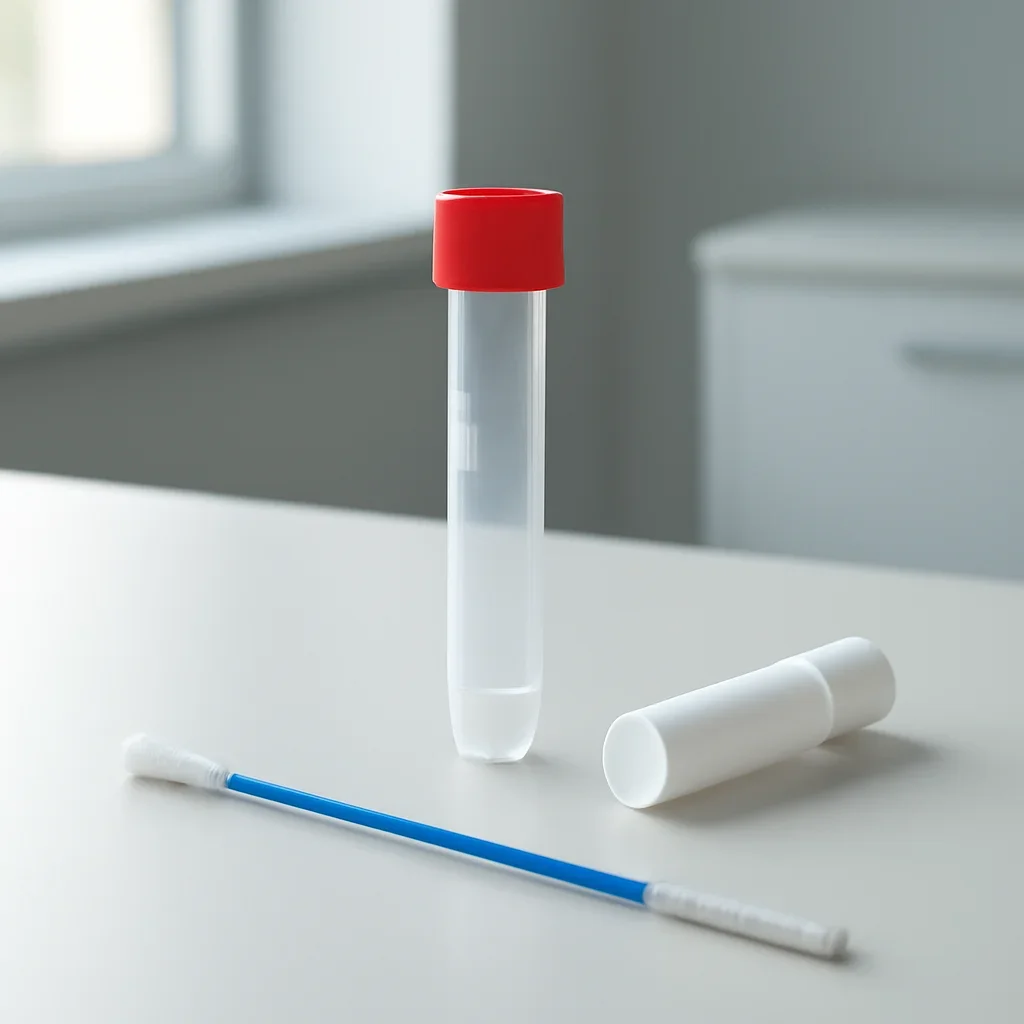
Thinking about the journey in stages makes it easier to understand why the total time from purchase to results can be longer than the laboratory turnaround itself.
Your selected test or collection materials must first reach you before sample collection can begin.
Follow the product-specific collection instructions to obtain and prepare the sample for return.
After receipt and acceptance, the sample enters the laboratory workflow required for the selected DNA test.
Once analysis and reporting are completed, the available results can be delivered according to the selected test's workflow.
A published turnaround is usually an estimate or expected processing window rather than a guarantee that every sample will move through the laboratory at exactly the same pace.
A sample that does not meet the requirements of the selected test may need additional review or, in some situations, recollection. Following collection instructions carefully can help reduce avoidable issues.
Different tests examine different genetic markers and may use different processing methods. A targeted test and a more extensive analysis should not automatically be expected to have identical turnaround.
The time required for your returned sample to reach the laboratory is separate from the actual testing window and can influence the total time between collection and results.
Quality-control steps, processing volume, repeat analysis when required, and report preparation can all influence when a final result becomes available.
A faster test is only useful if it is designed to answer the question you actually have. A dog breed test, genetic health test, and feline disease test should be compared by purpose before turnaround.
These resources provide more detail about DNA testing, collection, turnaround, and choosing a test that fits your intended purpose.
Browse DNAOM's available health and pet DNA tests or contact us if you need help comparing testing purpose, collection requirements, expected processing, and report scope.
