Best for selected genetic health questions
Start here when your goal relates to supported human genetic health questions rather than ancestry or pet DNA.
Explore genetic health testing
There is no single DNA test that is best for every person, dog, cat, or genetic question. DNAOM helps customers across the United States narrow the choice based on purpose first—whether that means selected genetic health insight, dog breed identification, inherited pet disease screening, or targeted feline testing.

DNAOM keeps its approved testing pathways separated so you can avoid comparing unrelated products and move directly toward the category that fits your question.
Start here when your goal relates to supported human genetic health questions rather than ancestry or pet DNA.
Explore genetic health testingCanine testing can focus on breed ancestry, inherited disease screening, or DNA profile-related needs. Choose based on what you want to learn about your dog.
Explore dog DNA testingFeline testing is most useful when you already know whether you need broader inherited disease screening or a targeted concern such as PKD.
Explore cat DNA testingThe word “best” is often used as if every DNA test can be ranked on one universal scale. In practice, a test can only be a strong choice when its purpose matches what you need the result to tell you.
More markers, more categories, or a larger report do not automatically make a test more useful.
A focused test can be the better choice when it directly addresses the question you are trying to answer—for example, targeted PKD testing for a cat or breed identification for a mixed-breed dog.
Use the question below as a starting point, then review the specific test page before ordering.
Start with genetic health testing and narrow the choice to the specific supported health question you want to explore.
Start with the dog breed DNA test when ancestry is the primary goal rather than inherited health screening.
Review dog inherited disease testing and confirm that the selected panel includes the condition relevant to your dog.
Start with cat DNA testing and compare broader feline disease screening with targeted options such as the PKD cat test.
This keeps the buying decision practical and reduces the chance of choosing a product based only on price, marketing language, or turnaround.
Confirm the genes, variants, breed information, or hereditary conditions the test is actually designed to evaluate.
Review whether collection uses a cheek swab, mouth swab, or another method and follow the product-specific instructions.
Laboratory turnaround generally starts after successful sample receipt, not when the order is placed.
Understand the final report before ordering so you know whether it answers your intended question.
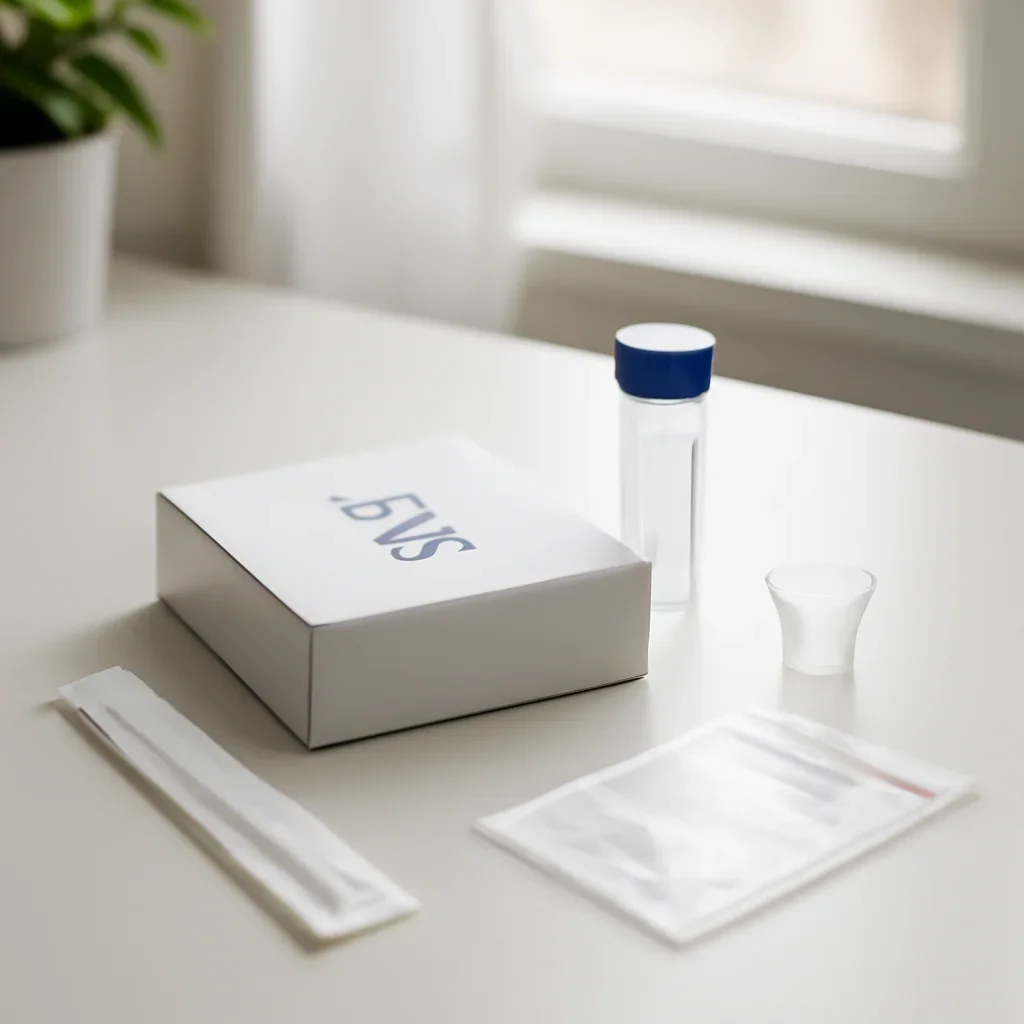
Two tests can both use DNA analysis and still offer very different value because their purpose, collection process, laboratory workflow, and reporting are different.
This table is intended to help narrow the category. Always review the individual product page for the exact testing scope and sample requirements.
| Testing goal | Recommended starting point | Main question | Best next page |
|---|---|---|---|
| Health DNA insight | Genetic health testing | Which supported genetic health question do I want to explore? | Genetic health testing |
| Dog breed ancestry | Dog breed DNA test | What breeds may contribute to my dog's ancestry? | Dog breed DNA test |
| Inherited canine disease | Dog disease test | Does the panel test the inherited condition relevant to my dog? | Dog disease testing |
| Broader feline disease screening | Cat disease test | Do I need information about multiple supported feline conditions? | Cat disease test |
| Targeted feline PKD concern | PKD cat test | Is PKD1 the specific genetic question I want to investigate? | PKD cat test |
A dog breed test, a lactose intolerance test, and a PKD cat test can all involve DNA analysis while serving completely different purposes. Category fit comes before price, speed, or report size.
Once the test purpose is correct, these factors can help you choose between relevant options.
Look for a collection method you can complete correctly and review the exact preparation and handling requirements before ordering.
Compare laboratory processing expectations rather than assuming the fastest advertised option is automatically the best test.
The most valuable report is the one that provides information relevant to your original question in a format you can understand.
Use DNAOM's supporting guides to understand how DNA tests work, accuracy considerations, result timing, and how to make a more informed comparison.
Use a more focused buying guide instead of comparing human, dog, and cat DNA tests on the same page.
Start with your goal rather than guessing between unrelated DNA tests. Browse the approved testing categories or contact DNAOM if you need help finding the most relevant product or comparison page.
