Best for understanding likely dog breed ancestry
Choose breed identification when the main question is your dog's likely breed makeup, especially for mixed-breed, adopted, or rescue dogs.
Explore dog breed DNA testing
Dog breed identification, canine inherited disease screening, and feline genetic testing are different DNA testing pathways. DNAOM helps pet owners across the United States compare the available options by purpose, sample collection, report type, and expected turnaround so choosing a pet DNA test feels more straightforward.

Instead of ranking unrelated pet DNA tests against each other, start with the type of information you actually want.
Choose breed identification when the main question is your dog's likely breed makeup, especially for mixed-breed, adopted, or rescue dogs.
Explore dog breed DNA testingChoose a disease-focused DNA test when you want genetic information related to supported hereditary canine conditions rather than ancestry.
Explore dog disease testingCat owners can compare broader inherited disease screening with more focused testing such as PKD1-related genetic testing.
Explore cat DNA testingThere is no meaningful reason to compare a dog breed ancestry test directly with a feline PKD test. Both involve DNA, but they are designed to answer completely different questions.
A more focused test can be more useful when you already know the genetic question you want to investigate.
For example, a targeted PKD cat test can be more relevant than broader screening when feline PKD is the specific concern.
Use your main question to narrow the pet DNA testing path before comparing individual features.
Start with a dog breed DNA test. This pathway is designed for breed identification and ancestry rather than inherited disease screening.
Start with dog inherited disease testing and confirm that the relevant condition is included in the selected test.
Start with the cat disease DNA test when broader feline genetic screening is the primary goal.
Start with the PKD cat test when you want targeted genetic information related to the PKD1 mutation described by the test.
Once you know which pet DNA category is relevant, compare the tests using practical criteria rather than marketing claims alone.
Identify whether the test focuses on breed ancestry, inherited disease, a particular genetic variant, or another defined purpose.
Review the collection method and make sure you can follow the product-specific sample instructions correctly.
Compare laboratory turnaround after sample receipt rather than assuming the order date marks the start of testing.
Understand whether the report focuses on breed ancestry, tested genetic status, targeted mutation findings, or another result type.
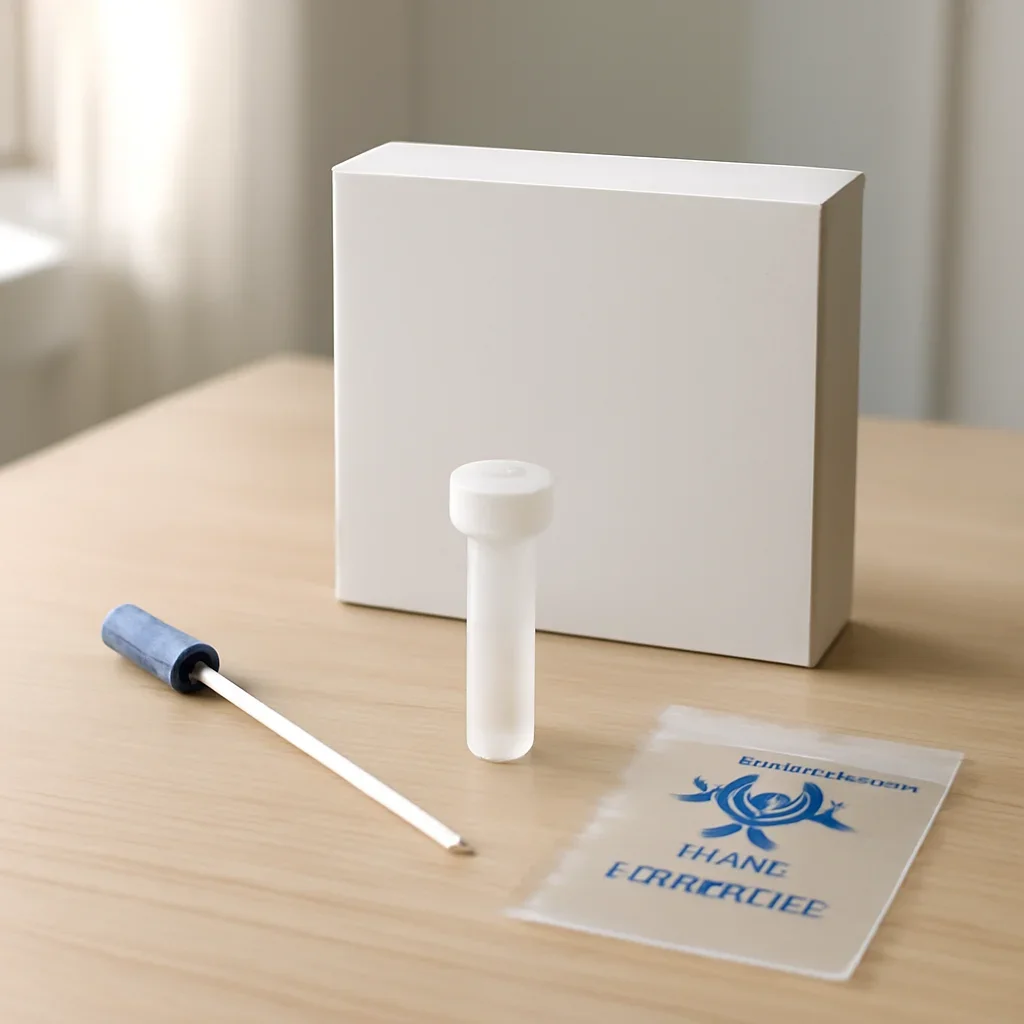
Sample collection can look simple, but incorrect handling may make processing more difficult. Always use the instructions supplied for the specific pet DNA test.
This table helps narrow the correct category. Review the individual test page for exact collection, testing scope, and turnaround details.
| Testing goal | Pet | Recommended starting point | Main result focus | Next page |
|---|---|---|---|---|
| Breed ancestry | Dog | Dog breed DNA test | Likely breed ancestry and related breed context | Breed DNA test |
| Inherited disease | Dog | Dog disease DNA test | Tested hereditary genetic status where applicable | Dog disease test |
| DNA profiling | Dog | Dog DNA profile | DNA profile-oriented information | Dog DNA profile |
| Broader inherited disease screening | Cat | Cat disease DNA test | Supported feline inherited disease markers | Cat disease test |
| Targeted PKD testing | Cat | PKD cat DNA test | PKD1-focused genetic result | PKD cat test |
Even when both use similar sample collection, the laboratory analysis and the information you receive can be completely different. Choose according to testing purpose first.
DNA testing can provide useful genetic information, but its value depends on understanding exactly what the selected test is designed to evaluate.
Identifying likely breed ancestry, evaluating supported inherited genetic variants, providing targeted genetic information, and giving owners or breeders more context for informed conversations.
Veterinary examinations, diagnosis, routine health screening, treatment, behavioral assessment, or professional care. Genetic results should be interpreted within the scope of the actual test.
Use DNAOM's supporting guides to compare testing categories, understand result expectations, and make a more informed choice.
If you already know you are shopping only for canine DNA testing, the dog-specific buying guide gives you a more focused comparison between breed identification, disease testing, and other supported canine options.
Breed identification is intended to help explain likely ancestry.
Disease testing focuses on selected hereditary genetic conditions included in the test or panel.
Choose the test according to which of those questions matters to you.
Browse DNAOM's approved dog and cat DNA testing options or contact us if you need help deciding between breed identification, inherited disease screening, targeted feline testing, or another supported pet DNA pathway.
