Type of DNA analysis
Tests designed for methylation, inherited disease screening, breed identification, genetic profiling, or other purposes examine different information and may require different laboratory workflows.

DNA test cost can vary because different tests answer different questions. A focused genetic health analysis, dog breed test, inherited disease screen, or broader report may require different laboratory work, sample handling, and reporting.
DNAOM keeps this guide focused on the factors that influence cost rather than relying on a fixed public price table that may become outdated. The most useful comparison is usually value: whether the test provides the type of result you actually need.

A cheaper test can be the right choice when it answers your question. Paying for a broader analysis only makes sense when you actually need the additional reporting.
There is no single cost that represents every DNA test. The price can change according to the purpose of the analysis, the sample requirements, the laboratory work involved, the amount of genetic information examined, and the depth of the resulting report.
That means the best way to compare DNA test cost is to first decide what you want to learn, then compare tests that actually answer the same type of question.
Different testing workflows require different levels of analysis. Understanding these cost drivers makes it easier to compare products without assuming the cheapest or most expensive option is automatically the best choice.
Tests designed for methylation, inherited disease screening, breed identification, genetic profiling, or other purposes examine different information and may require different laboratory workflows.
The required sample type and collection workflow can influence the overall testing process. Always follow the instructions supplied with the specific kit.
A focused test may analyze a narrower set of genetic information, while another analysis may examine a broader group of markers, pathways, diseases, traits, or reference data.
The amount and type of information included in the final report can differ significantly between tests, which is one reason comparing products by name alone can be misleading.
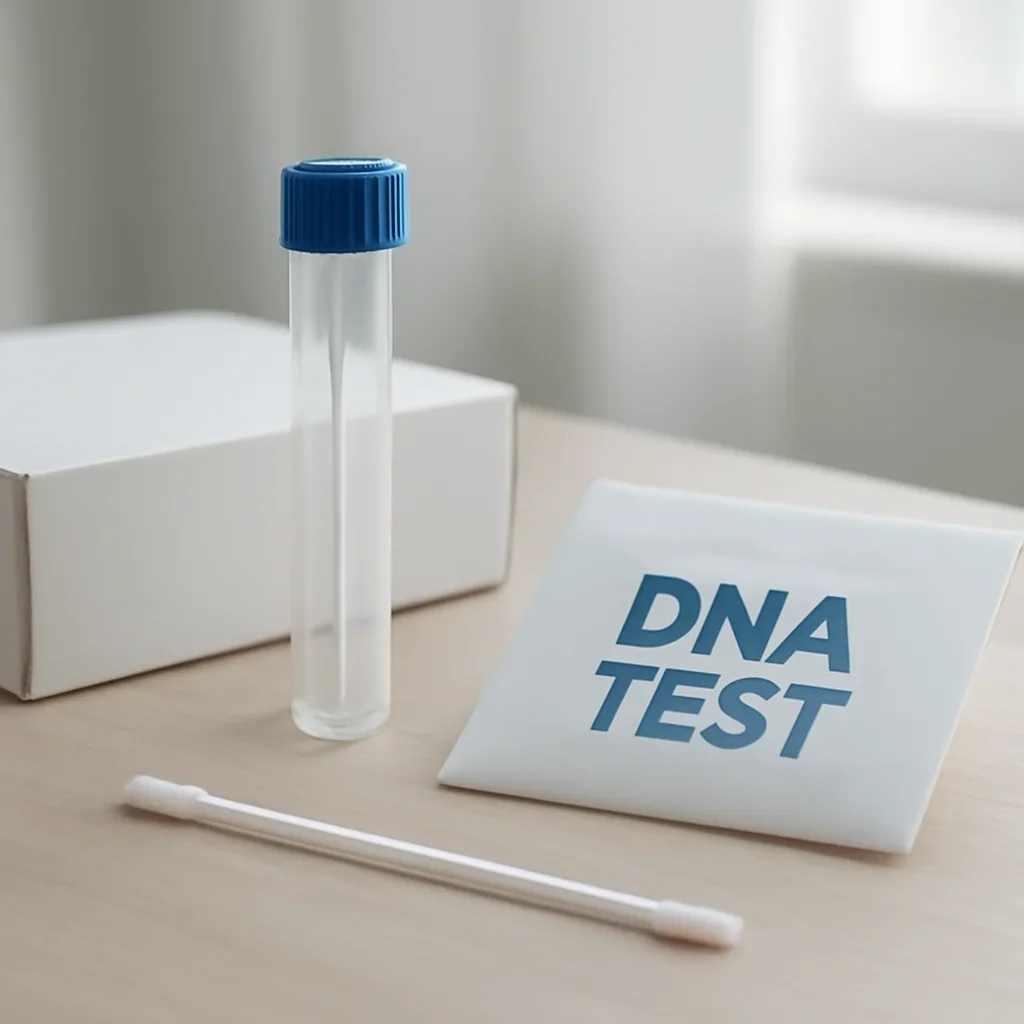
A DNA test has good value when the analysis matches your testing goal and the report provides the information you actually need. Paying less for an unrelated test or paying more for unnecessary analysis can both lead to poor value.
The kit is only one part of the process. The overall testing service may also involve laboratory handling, analysis, reporting, and the workflow required to return the final results.
The test includes the collection workflow needed for the selected analysis, with instructions tied to the required sample type.
Laboratory work is completed according to the markers, variants, pathways, breed reference data, or other genetic information included in the ordered test.
The findings are prepared into a report appropriate for the type of analysis purchased rather than presented as raw information without context.
DNAOM provides supporting content to help customers understand test selection, collection, turnaround, accuracy, and result interpretation.
Comparing a health DNA test directly with a breed test or feline disease screen is not especially useful because each test is designed around a different question and laboratory workflow.
Cost can reflect the specific markers, pathways, or inherited predisposition information examined and the depth of the resulting health-focused report.
Explore genetic health testsBreed identification, inherited disease screening, and record-focused canine DNA profiling serve different purposes and may involve different levels of analysis.
Explore dog DNA testsBroader feline disease screening and condition-specific testing such as PKD analysis differ in scope, which can affect the testing workflow and overall value.
Explore cat DNA testsPrice is useful only when the tests being compared provide a similar type of analysis. These factors help you make a more meaningful decision.
Instead of asking which test is cheapest, work through these four questions. They help connect your budget with the analysis you actually need.
Define the health, pet, breed, inherited disease, or genetic reporting question before comparing prices.
Review the genetic markers, diseases, breeds, traits, pathways, or other information included in the analysis.
Compare the scope and usefulness of the report rather than treating every DNA result as equivalent.
A broader test can be worthwhile when you need the additional analysis. If you do not, a more focused test may offer better value.
These DNAOM guides can help you compare testing purpose, accuracy, turnaround, collection, and reporting before making a purchase.
Match your testing question with the most relevant DNA category, sample process, and report.
Testing process How DNA testing worksFollow the process from test selection and sample collection to laboratory processing and result delivery.
Accuracy Are DNA tests accurate?Understand how test type, sample quality, laboratory analysis, and report interpretation affect reliability.
Turnaround How long do DNA test results take?Learn why result timing can vary according to test type, sample receipt, and laboratory workflow.
Reporting How to read DNA resultsUnderstand how to review genetic findings within the purpose and limitations of the analysis you ordered.
Pricing DNAOM pricingContinue to the DNAOM pricing area when you are ready to review current pricing information for available testing options.
Start by deciding what information you need, then compare the relevant DNAOM tests by analysis scope, sample process, report depth, turnaround, and current pricing.
DNA test cost varies by the type of analysis, sample requirements, laboratory workflow, and reporting depth. Compare tests with similar purposes rather than expecting one price to represent every type of DNA testing.
Review DNAOM pricingDifferent tests may analyze different numbers or types of genetic markers, diseases, pathways, breeds, traits, or other information. A broader or more specialized analysis may therefore involve a different laboratory and reporting workflow.
Learn how DNA testing worksPrice alone is not the best selection method. A lower-cost test can provide excellent value when it answers your question, while a more expensive test may only be worthwhile when you need its additional analysis or reporting.
Learn how to choose the right test