The kit belongs to a specific test
The materials and instructions are designed for the genetic test you selected. One collection kit should not automatically be treated as suitable for another DNA analysis.

A DNA test kit provides the materials and instructions needed to collect a sample for a specific genetic analysis. After collection, the sample is returned for laboratory processing, where the DNA information relevant to your selected test is analyzed. Understanding each stage can help you collect the sample correctly, avoid unnecessary delays, and know what to expect before ordering.

At-home DNA testing can be straightforward, but the collection kit, laboratory analysis, and final report all serve different parts of the process.
The materials and instructions are designed for the genetic test you selected. One collection kit should not automatically be treated as suitable for another DNA analysis.
Correct preparation, collection, handling, and packaging help give the laboratory a suitable sample to work with and reduce avoidable processing problems.
Processing time generally begins after the laboratory receives a suitable returned sample, not when your order is placed or the kit arrives at your home.
Exact contents vary by test, but most at-home DNA collection kits are built around four practical needs: collecting the sample, following instructions, identifying it correctly, and returning it.
Depending on the test, collection materials may include oral or cheek swabs or another test-specific sample method.
Instructions explain preparation, collection technique, handling, and any important steps that apply to the selected test.
Follow any labeling, registration, or identification steps included with the kit so the sample can be connected with the correct test.
The kit provides or explains how to prepare the collected sample for return according to the test requirements.
Although individual tests differ, most DNA kit journeys can be understood through these five stages.
Choose the test that matches the health, pet, breed, or inherited genetic question you want answered.
Follow the supplied instructions and use the collection materials intended for your exact test.
Package and return the collected sample according to the kit's instructions.
The laboratory examines the genetic information relevant to the analysis you ordered.
The report presents findings according to the intended scope of your selected DNA test.
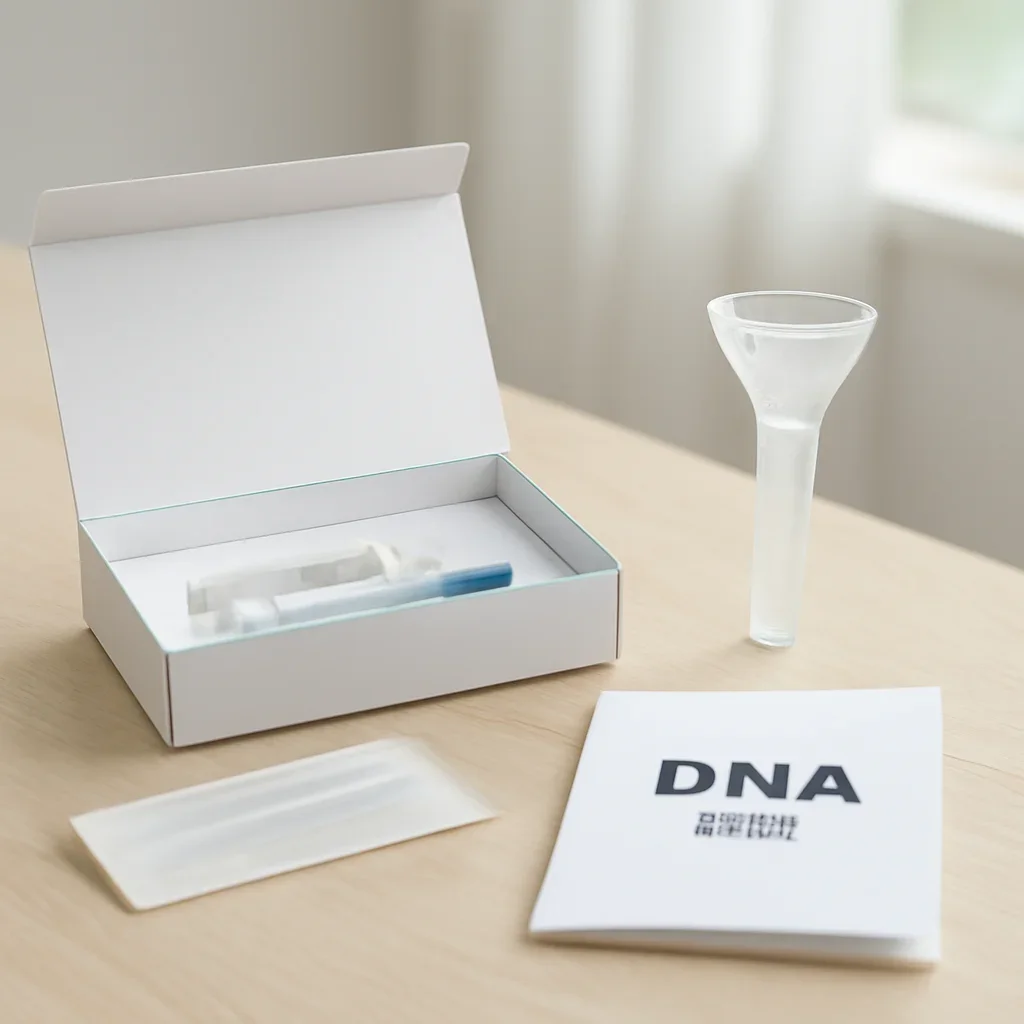
Many approved DNA testing options use straightforward, non-invasive sample collection. That convenience does not remove the need to follow the test instructions carefully.
Collection requirements can differ from one DNA test to another, so review the supplied directions before opening or using the collection materials.
Laboratories need a suitable sample for the selected analysis. Careful collection can help reduce avoidable delays or the need for another sample.
Follow the instructions from beginning to end, complete any required preparation, collect the sample using the correct materials, and package it according to the supplied directions.
Incorrect preparation, contamination, touching collection surfaces, using another kit's instructions, or improper packaging may create unnecessary processing complications.
A good sample helps the laboratory perform the analysis successfully, but it does not change which genetic markers, variants, breeds, or conditions the selected test was designed to evaluate.
After the returned sample reaches the laboratory, it can move into the workflow associated with the specific test you ordered.
The exact analysis varies by product. A dog breed identification test, for example, uses a different testing purpose and reporting process from a targeted inherited disease test.
The laboratory performs the analysis associated with the test you ordered. That may involve selected genetic markers, specific variants, breed reference comparisons, or another defined genetic question.
Choosing the correct test therefore matters before sample collection ever begins.
The total experience includes several separate stages. Laboratory processing typically begins only after your returned sample has reached the laboratory.
Your DNA test kit first needs to reach you before the collection process can begin.
You collect the required sample according to the instructions for the selected test.
Your collected sample then travels back before laboratory processing begins.
Test-specific turnaround generally relates to processing after successful laboratory receipt.
The sample collection method is only one part of the test. What matters most is the analysis the laboratory performs after receiving that sample.
Human genetic testing may focus on selected questions such as methylation, lactose intolerance, or celiac-related genetic information.
Explore genetic health testingCanine testing may focus on breed identification, inherited disease screening, or DNA profile-related needs depending on the selected test.
Explore dog DNA testingFeline testing can focus on broader inherited disease screening or targeted genetic questions such as PKD.
Explore cat DNA testing
Collection convenience matters, but the best kit for you is attached to the test that answers the question you actually have.
The kit gives you the materials and instructions needed to collect the sample required for a specific DNA test. The genetic analysis itself occurs after the sample reaches the laboratory.
Many supported DNA tests use at-home collection. The exact method depends on the product, so follow the instructions included with your specific kit.
The laboratory needs a suitable sample for processing. Incorrect collection, contamination, or improper handling may create avoidable processing issues.
Laboratory processing generally begins after your returned sample reaches the laboratory and is suitable for the selected testing workflow.
No. A dog breed test, human genetic health test, and cat disease test can use similar collection methods while analyzing completely different genetic information.
Start with the question you want answered. Then review the test scope, collection method, laboratory turnaround, and type of report. See how to choose the right DNA test for more detail.
Browse DNAOM's approved genetic health, dog, and cat testing options, or use the comparison guide if you still need help deciding which test and collection kit match your goal.