Choose the question
Decide whether you want breed ancestry, inherited health screening, traits, a DNA profile, or another specific result.

A dog DNA test analyzes genetic material to answer a specific question about your dog. Depending on the test you choose, that may mean estimating breed ancestry, screening selected inherited variants, identifying traits, or creating a DNA profile for identity or parentage.
The important part is choosing a test that actually matches the question you want answered. A breed test, health screen, and DNA profile are not interchangeable.
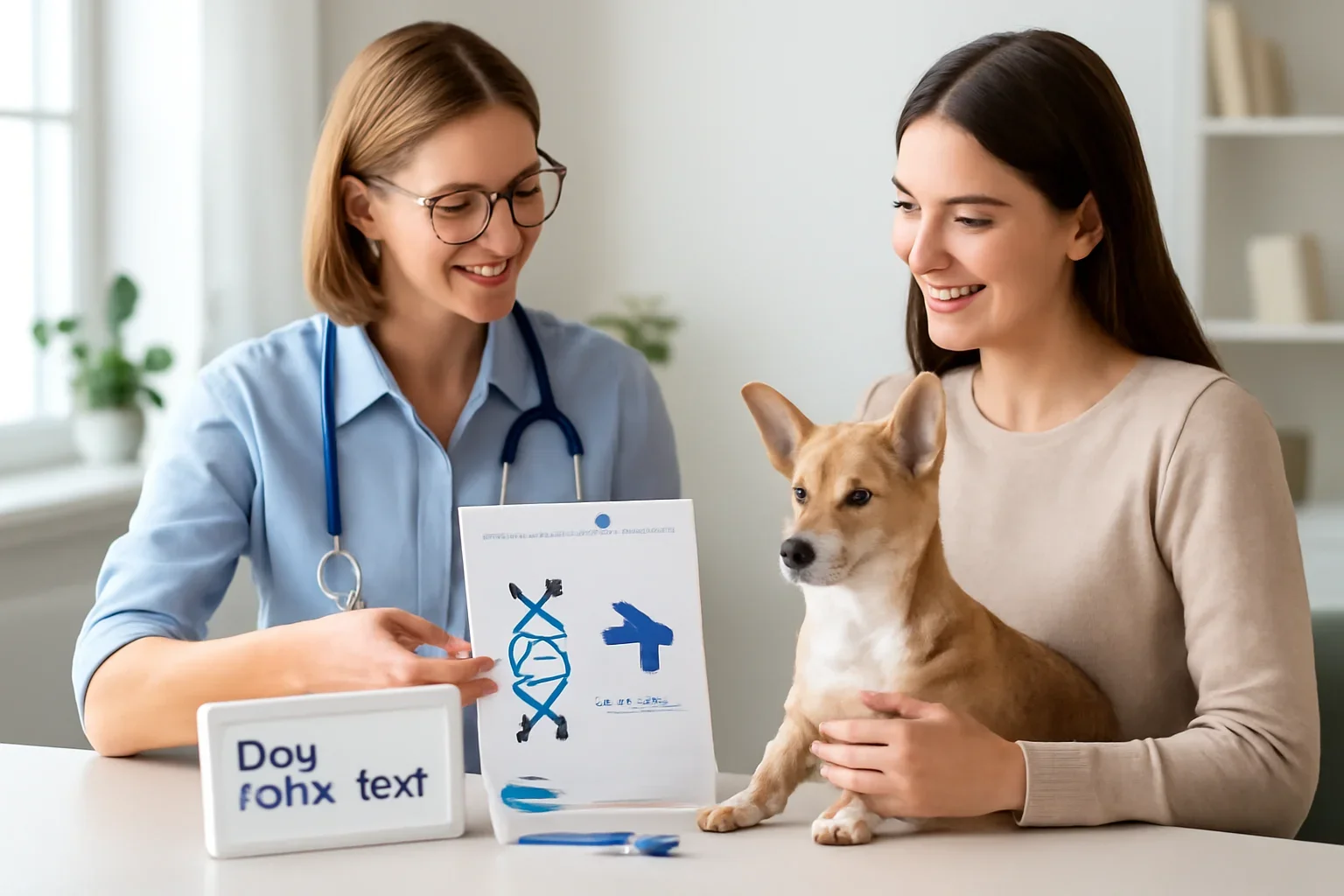
Most at-home dog DNA tests begin by collecting cells from the inside of your dog's cheek. The laboratory extracts DNA from those cells and analyzes genetic markers or selected variants. The findings are then interpreted according to the purpose of the test—for example, comparing ancestry with breed reference data or checking for a specific inherited genetic variant.
That is why two tests can use a similar swab but produce very different reports.
The exact workflow depends on the laboratory and analysis, but most consumer dog DNA testing follows the same basic path.
Decide whether you want breed ancestry, inherited health screening, traits, a DNA profile, or another specific result.
Many home kits use a cheek swab. Follow the kit instructions carefully so the sample contains enough usable cells and avoids contamination.
Package the sample as directed. For U.S. orders, remember that return shipping time can be separate from laboratory processing time.
The laboratory examines genetic markers or specific variants relevant to the test that was ordered.
Laboratory findings are converted into the breed, health, trait, identity, or other report associated with your test.
“Dog DNA test” is an umbrella term. Before comparing brands or prices, first identify the kind of answer you actually need.
Designed to estimate which breed populations contributed to a dog's ancestry.
Looks for selected genetic variants associated with inherited conditions or medication-related sensitivities.
Uses inherited genetic markers for individual identification or parentage comparison.
Some tests include findings related to inherited physical traits or additional characteristics alongside the primary analysis.
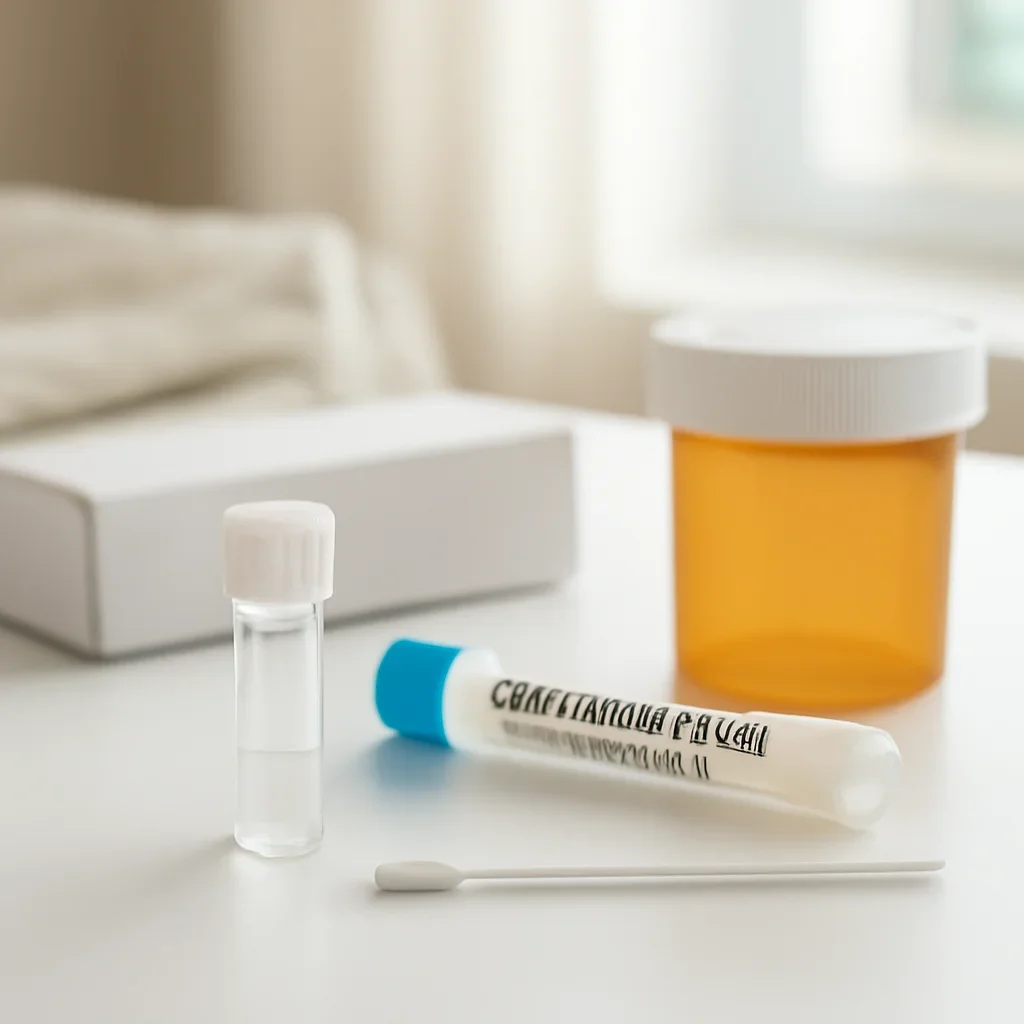
A cheek-swab kit is designed to collect your dog's cells, not simply saliva. Following the test's collection instructions helps give the laboratory a usable sample.
For more detail, see non-invasive sample collection and how long DNA test results take.
There is no useful single accuracy percentage for every dog DNA test because different tests answer different biological questions.
A test for a known genetic variant is fundamentally different from a breed-ancestry estimate. Breed results depend on the markers examined, the breeds represented in the reference data, and the provider's analysis method. Health findings depend on whether the relevant variant is included and what that variant actually means for the dog being tested.
Compare the test's scope rather than assuming that a longer report automatically means a better answer.
Read our DNA test accuracy guideA useful report should help you ask better questions. It should not turn a genetic finding into a conclusion the evidence does not support.
Breed-identification reports compare your dog's DNA with the reference populations and methods used by that provider. Closely related breeds and underrepresented populations can make some ancestry assignments harder to distinguish.
See how breed identification reports are intended to be used.
“Clear,” “carrier,” “at risk,” or similar language must be interpreted according to the specific condition and inheritance pattern. Some variants have a strong relationship with disease; others are only one part of a more complicated health picture.
Learn more about health insight reports.
If a report identifies a potentially important health-related finding, share it with your veterinarian before changing medication, diet, screening, breeding plans, or medical care.
DNA information can inform a conversation; it does not replace an examination or appropriate veterinary testing.
The most useful test is the one that answers your actual question with a collection process, report, privacy approach, and turnaround you understand before paying.
Confirm whether you are buying breed identification, selected health screening, traits, profiling, or a combination.
Check whether collection is a home cheek swab or another sample type, and whether any professional collection is required.
For U.S. mail-in testing, separate kit delivery, return shipping, sample receipt, and laboratory processing when comparing timelines. Read DNA test turnaround guidance.
Understand how you access reports and what privacy controls are available. See private results dashboard information.
Compare the kit, included analysis, shipping, optional upgrades, and any follow-up costs rather than looking only at the headline price. See our dog DNA test cost guide.
A general consumer panel should not automatically replace breed-specific screening recommendations. U.S. breeders can also review health-testing guidance from the relevant breed club and the Orthopedic Foundation for Animals.
Health-information note: This guide is educational and is not veterinary advice. A genetic result can be important without being a clinical diagnosis. Discuss health-related findings with a veterinarian who can interpret them alongside your dog's breed, age, medical history, physical examination, and other appropriate testing.
The value depends on why you are testing and what you plan to do with the information.
Breed ancestry can provide another piece of information about a rescue or mixed-breed dog whose history is limited.
A targeted or appropriate panel may identify selected variants that are relevant to a dog's breed or family history.
A dedicated DNA profile can be useful when the question is genetic identity, pedigree verification, or biological parentage—not ancestry estimation.
Still deciding whether the information would be useful for your dog? Read are dog DNA tests worth it? or compare options in our best dog DNA test guide.
Compare dog DNA testing options by purpose instead of assuming every kit offers the same type of answer. Review the collection method, report scope, expected turnaround, and limitations before you order.
Short answers to the questions owners commonly have before collecting a sample or choosing a test.
Need help with an existing order or sample? Visit DNAom Support.
Most at-home tests begin with cells collected from the inside of your dog's cheek. A laboratory extracts DNA and analyzes genetic markers or specific variants. Depending on the test, those findings may be used for breed ancestry estimates, inherited health screening, traits, identity, or parentage.
A breed-identification test can estimate genetic ancestry by comparing your dog's DNA with reference populations used by that testing service. Results can vary because databases and methods differ. A DNA identity or parentage profile is a different type of analysis and does not automatically identify breed.
A genetic test can identify selected inherited variants or risk-related findings, but that is not the same as diagnosing every disease. Interpretation depends on the condition, inheritance pattern, breed context, symptoms, and other health information. Discuss medically relevant results with your veterinarian.
Many at-home dog DNA kits use a non-invasive cheek swab that an owner can collect. Some specialized laboratory tests may accept or require blood or another sample type. Follow the requirements of the exact test you order.
Follow the instructions included with your specific kit. Laboratories may specify a waiting period after food, treats, drinking, nursing, or contact with other animals to reduce the chance of a poor or contaminated sample.
Turnaround varies by laboratory and analysis. When comparing estimates, check whether the timeframe starts when the kit is ordered, when the sample arrives at the laboratory, or when laboratory processing begins. See how long DNA test results take for more guidance.
Breed percentages are ancestry estimates produced from a provider's reference data and analytical method. They can be highly informative, but they should not be treated as an exact measurement independent of the database and method used.
No. Breed identification is especially attractive when a dog's ancestry is unknown, but purebred dogs may also have reasons for genetic health screening, traits, identity, or parentage testing. The appropriate test depends on the question being asked.
Use the guide that best matches what you want to learn or test.
DNAom uses established veterinary and canine-genetics resources to inform general educational content. Individual test instructions and laboratory requirements can differ, so the documentation supplied with the test you order should take priority for sample collection and submission.