DNA tests answer defined questions
DNA testing analyzes selected genetic markers, variants, or other DNA characteristics according to the specific purpose of the test.

DNA testing analyzes selected genetic information from a biological sample to answer a defined question. Depending on the test, that question may relate to genetic health information, a dog's breed ancestry, or an inherited condition in a pet. The important part is understanding that different DNA tests examine different genetic information and therefore produce different kinds of results.

DNA carries genetic information. A DNA test examines selected parts or characteristics of that genetic material and compares or interprets them according to the purpose of the ordered test.
The analysis is not the same for every product. A canine breed test, for example, may compare genetic information with breed reference data, while a targeted inherited disease test may look for a particular genetic variant.
This is why the first question when choosing a DNA test should be: What do I want this test to help me learn?
Knowing these basics makes it much easier to compare DNA testing options without assuming that every kit or report does the same thing.
DNA testing analyzes selected genetic markers, variants, or other DNA characteristics according to the specific purpose of the test.
A health-related genetic test, dog breed test, and cat disease test should not be treated as interchangeable simply because all three use DNA.
A report tells you about the genetic information included in that particular analysis. It should not automatically be interpreted beyond what the test was designed to evaluate.
You do not need to become a geneticist to understand the basic language used on a DNA testing page.
DNA is the genetic material that contains biological instructions. DNA testing examines selected information within that material rather than treating your DNA as one single result.
Genes are portions of DNA with biological functions. Some genetic tests focus on particular genes because changes within them may be relevant to the question being investigated.
Variants are differences in DNA sequence. Certain tests look for defined variants associated with a trait, inherited condition, or other genetic characteristic.
Genetic markers can provide reference points used in certain kinds of analysis, such as comparing a dog's DNA with breed reference data.
Exact collection and laboratory methods differ by product, but most testing journeys can be understood through four basic stages.
Start by matching the test to the question you want answered rather than choosing based only on price or report size.
Follow the product-specific instructions to collect the sample required for the selected analysis.
The laboratory processes the sample and examines the genetic information relevant to the ordered test.
The findings are presented according to the scope of the test, such as genetic status, breed information, or another supported result.
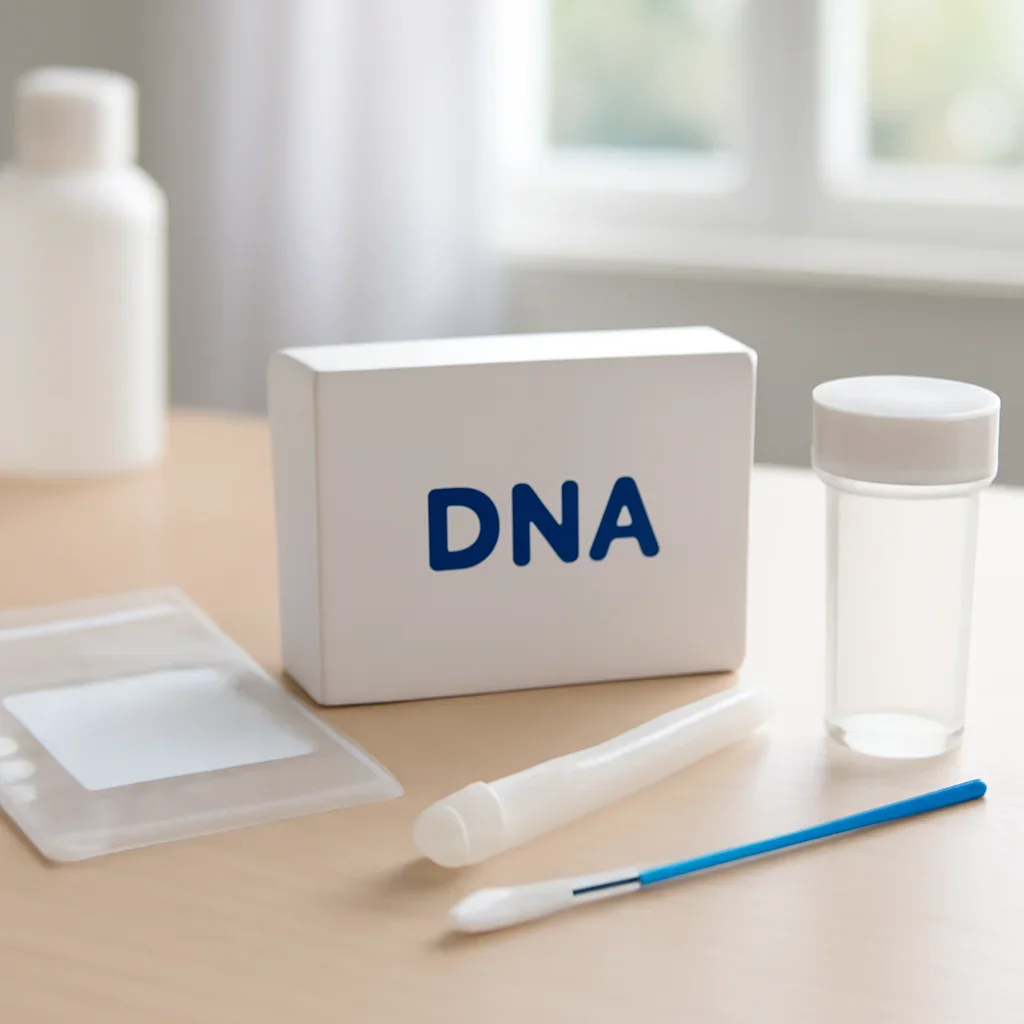
The collection method depends on the test. Some approved DNAOM testing options use simple oral or cheek-swab collection, while instructions and requirements can differ between products.
Even when collection is non-invasive, correct handling matters. Follow the directions supplied for the exact test you ordered.
DNAOM focuses its current testing pathways on selected human genetic health questions and pet DNA testing rather than every possible DNA service.
Human genetic health tests can focus on specific supported questions such as methylation, lactose intolerance, or celiac-related genetic context.
Explore genetic health testingDog DNA testing can focus on breed identification, inherited disease screening, or DNA profile-related needs depending on the test.
Explore dog DNA testingCat DNA testing can address supported inherited disease questions or more targeted genetic concerns such as PKD.
Explore cat DNA testingThe answer depends entirely on the test. A useful result should be interpreted according to the genetic information the laboratory actually examined.
Information about the selected genetic markers, variants, breed reference comparisons, or inherited conditions included within the ordered analysis.
Every possible answer about health, future outcomes, behavior, or biological traits. Results should not be stretched beyond the stated purpose and limitations of the test.
“How accurate is DNA testing?” sounds like a simple question, but different tests use different methodologies and are designed to evaluate different genetic information.
A breed identification report and a targeted genetic variant test answer different questions and should be evaluated within their respective testing methods.
Understanding what the test measures is more useful than looking for one broad accuracy claim that supposedly applies to every category.
There is no single turnaround time for every DNA test. Processing depends on the selected analysis and generally relates to when the laboratory receives a suitable sample.
The complete customer timeline may also include kit delivery, collection, return shipping, laboratory processing, and result delivery.
Choosing becomes easier when you compare tests in the correct order. Begin with purpose, then consider the practical details.
Write down what you actually want to learn. This immediately helps separate relevant tests from unrelated categories.
Review which genetic information, variants, conditions, or reference comparisons are included in the selected test.
Look at collection requirements, expected turnaround, reporting, and available support before making your final choice.
When DNA testing relates to human or animal health, the result should be understood according to the specific genetic question that was tested.
A focused genetic result may help you better understand a tested variant or predisposition and prepare more informed questions for an appropriate healthcare or veterinary professional.
A DNA result should not automatically be treated as a complete diagnosis, prediction of future health, or replacement for professional assessment where one is appropriate.
Now that you understand what DNA testing is, the next step is to move into the category that matches your question.
Explore selected genetic health tests including methylation, lactose intolerance, and celiac-related genetic testing.
Explore health DNA testsCompare breed identification, inherited disease testing, and other supported canine genetic testing options.
Explore dog DNA testsCompare broader feline inherited disease testing with more targeted options such as PKD testing.
Explore cat DNA testsThese guides answer the practical questions most people have after understanding the basic definition of DNA testing.
DNA testing examines selected genetic information from a sample to answer a defined question. What is analyzed depends on the specific test you order.
It depends on the test. A result may provide information about selected health-related genetic variants, dog breed ancestry, inherited pet conditions, or another supported genetic question.
No. Different tests analyze different genetic information and are built for different purposes. The correct test depends on the question you want answered.
Selected tests can use at-home sample collection. The exact collection method depends on the product, so always follow the instructions supplied with the test.
Turnaround varies by test. Laboratory processing generally begins after a suitable sample is received, while delivery and return shipping add time to the overall customer journey.
Start by defining the question you want answered. Then compare testing scope, collection requirements, turnaround, and report type. DNAOM's DNA test selection guide can help you narrow the options.
Two DNA test kits can look similar while analyzing completely different genetic information. Always review what the individual test is designed to evaluate before ordering.
Explore DNAOM's approved genetic health, dog, and cat DNA testing options, or use our comparison guide if you are still deciding which testing category fits your question.